






With the first cold front of the season, you can bet Anna Maria Island anglers were ready to get out on the water and not deal with extreme heat.
The slight drop in water temperature is triggering a change in the bite, as well as the variety of targeted species. Migratory species such as Spanish mackerel, kingfish, jack crevalle, bonito and ladyfish appear along with the cooler temps and that makes for some exciting times.
The high-speed predators are favorites among many anglers as they provide drag-screaming action and long runs on the hook.
Look for bait schools and diving shorebirds to find the fish.
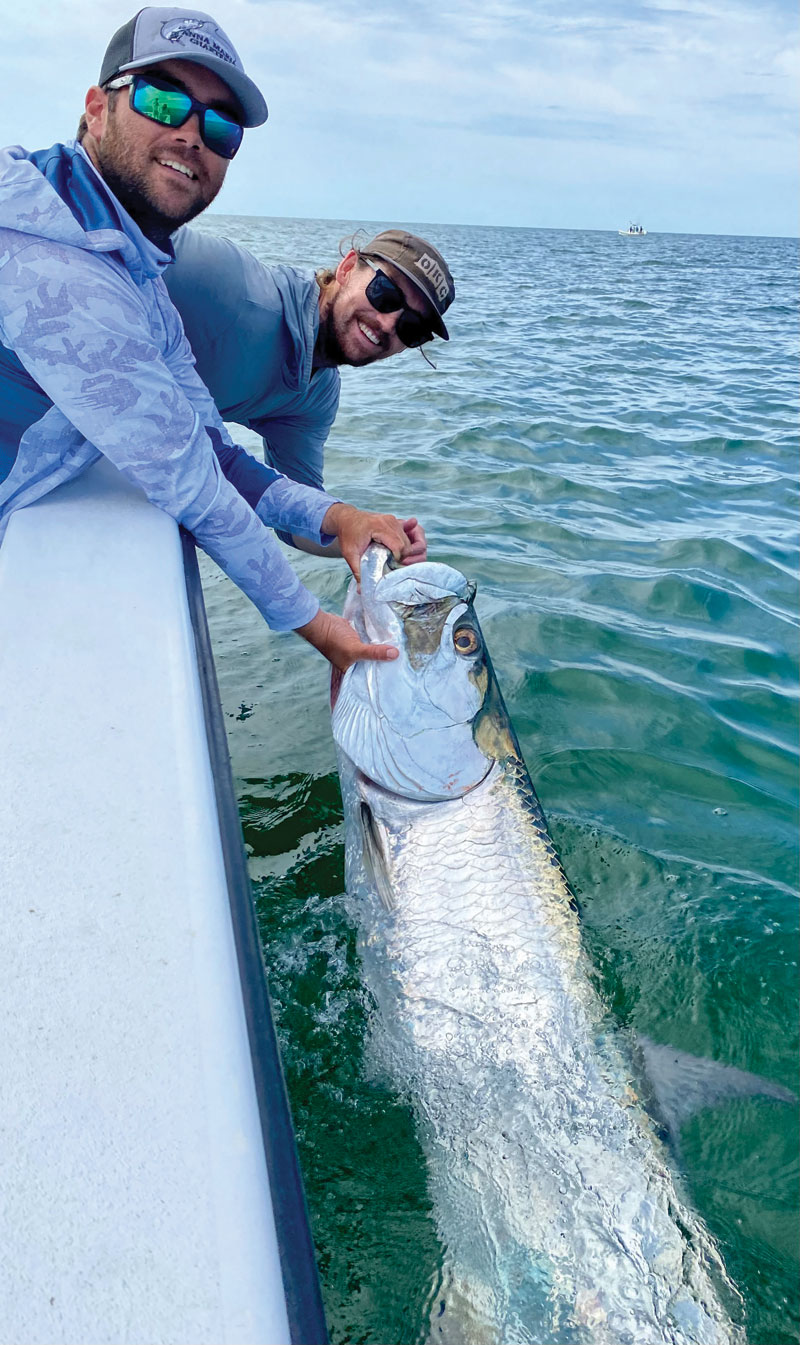
And, you can be sure that following behind the fish will be sharks. Blacktip, spinner and sandbar sharks love to feed on all the species mentioned. So, in the event you run into something big chasing your catch, make sure to be prepared with heavy tackle and wire leader.
On the flats, snook, trout and redfish should start moving into areas as bait schools flow over the flats during the stronger tides around the full moon. With the vast amounts of glass minnows present, the fish may take coaxing to bite due to the fact they are gorging themselves on an unlimited amount of food. Be patient and present smaller baits to see what they want to eat.
In areas where the baits schools are lacking, you may find the fish more apt to take a larger bait, so some experimentation with location and presentation may be needed.
Lastly, October can bring intense storms over the water. So keep a watchful eye on the horizon and your weather app. Thunderstorms can bring sudden gusty winds and waterspouts, which can ruin a morning of fishing.
On my Just Reel charters, I’m seeing many spotted sea trout caught on the deeper grass flats of Tampa Bay. Many are just short of keeper-size, but we’re managing to put fish in the cooler.
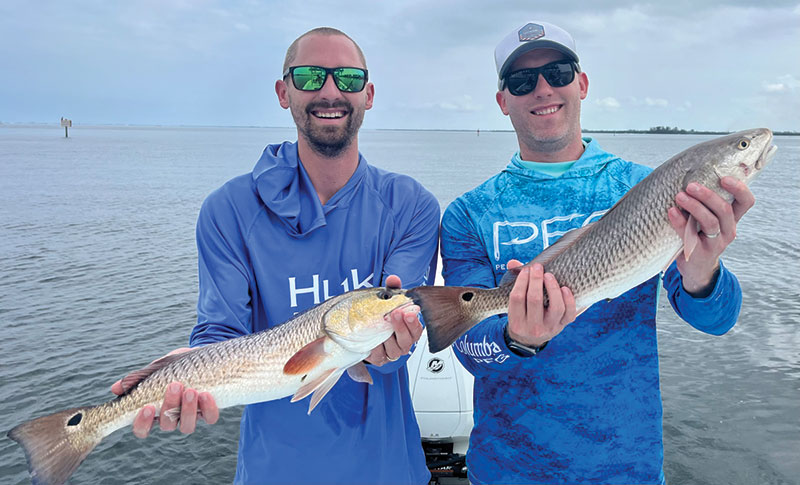
Snook and redfish also are being caught and most action is occurring around mangrove shorelines.
Lastly, macks are a good bet along the beaches and over deep grass.
Jim Malfese at the Rod & Reel Pier says he’s happy to see Spanish mackerel being caught. Pier fishers using artificials such as silver spoons, speck rigs and Gotcha plugs are hooking into many macks on the morning tides. These fish are measuring 12-20 inches to the fork, and light spinning gear is the best bet for a hookup. Anglers can cast farther and the fight with the macks is slightly more dramatic and sporty. Mixed in with the mack bite are jack crevalle, blue runners and ladyfish.
Pier fishers using live shrimp as bait are finding success, too. Casting shrimp under the pier is yielding black drum and redfish. Both are being caught during early morning and evening tides.
Lastly, a few keeper snook are being caught by anglers using live pinfish as bait.
Capt. David White says he spending most of his charters targeting kingfish and Spanish mackerel along the Gulf beaches.
For the kings, slow trolling large shiners is working well when the fish are spread out. If concentrations of kings are present, anchoring and chumming the school is working. The same applies for the Spanish mackerel.
When at anchor, bonito are showing in the chum, which adds some variety to the bite.
Once the mack bite dies off, White is moving inshore to target redfish, and casting live shiners under residential docks is resulting in the best action. Redfish of all sizes are being caught.
Send high-resolution photos and fishing reports to fish@islander.org.