




Good news: ‘Hatch bait’ makes it happen on the water
Despite the scorching temperatures, fishing around Anna Maria is on the rise.
The reason for this is the arrival of bait fish. Whether on the flats or out in Tampa Bay, you should notice the huge schools of baby shiners or, as we call them, “hatch bait.” With this migration of bait come the predators.
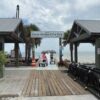
Around both fishing piers on the north end of the island, the bait schools have congregated to the point where the water looks black with bait. While this smorgasbord is occurring, many species, including Spanish mackerel, mangrove snapper and snook, are gorging themselves.
The same is occurring on the grass flats in Tampa Bay and throughout the Intracoastal Waterway. In these bait schools, you may find a host of predators, including spotted seatrout, mackerel, bluefish and ladyfish.
On recent adventures on Southernaire Fishing Charters, we have been targeting mangrove snapper around reefs and wrecks in the Gulf and Tampa Bay. While bottom fishing for snapper, I’m seeing decent numbers of Spanish mackerel feeding in the chum slick. For the macks, I’m free-lining live shiners in the chum to attract a bite. Other catches include flounder, juvenile grouper, cobia and permit.
Capt. Warren Girle is working inshore among the flats of Sarasota Bay. Throughout deep grass flats — 6-8 feet of water — Girle’s finding spotted seatrout accommodating to his clients. Free-lining live shiners or adding a popping cork to the rig is resulting in numerous trout. Mixed in with the trout bite are Spanish mackerel, bluefish and ladyfish. Fishing shallower flats — 2-3 feet deep — is proving prosperous for Girle, too. Redfish are found in these areas, especially up around mangrove shorelines.
Moving to the nearshore reefs, Girle is hooking up clients with mangrove snapper, macks and flounder. All three species are taking live shiners.
Capt. Jason Stock is fishing offshore reefs and wrecks with good results. Live pass crabs as bait are attracting the attention of schooling permit. Eager anglers are quickly getting their arms worn-out on multiple hookups with the permit, with some catches reaching 20 pounds or better.
And Stock’s finding mangrove snapper are cooperative offshore. Live shiners dropped to the bottom on a weighted rig are resulting in snapper up to 18 inches and limits of fish are being caught by Stock’s clients.
Finally, Stock is hooking up with tarpon in the passes and along the beaches. Live baits — threadfin herring and pass crabs — are getting the job done.
Capt. Aaron Lowman is spending his charters reef fishing in the Gulf of Mexico, where mangrove snapper are producing a steady bite close to the structure on the bottom. Bottom fishing around structure is producing flounder, while free-lining live shiners on the surface of the water around the reefs is keeping Lowman’s clients busy with Spanish mackerel, cobia and kingfish.
Moving into the bay, Lowman is finding sharks, bluefish and jack crevalle making their presence known. For the blues and jacks, small spoons and buck-tail jigs are working well. As for the sharks, Lowman is using the just-caught blues and jacks as bait.
Jim Malfese at the Rod & Reel Pier says that with the arrival of the hatch bait in Tampa Bay comes the snapper, and the bait is making it easy for tourist and resident anglers to reel up keeper-size mangrove snapper. Mixed in with the snapper bite are black drum, sheepshead, flounder and the occasional catch-and-release snook. While these species are being caught on shiners or shrimp as bait, if you want to catch the sheepies and black drum, shrimp is your bait.
Spanish macks are attracted to the hatch bait surrounding the pier, but pier fishers are finding silver spoons and small white jigs are connecting with these high-speed toothy fish.
Capt. Rick Gross of Fishy Business Charters is bay fishing for mangrove snapper. Whether working deep grass adjacent to channels or structure in Tampa Bay, Gross is managing to find limits of these tasty fish for his clients. Gross also is finding flounder, Spanish mackerel and many catch-and-release snook. Live shiners are producing fish and the best bite is occurring during strong moving tides, he said.
Capt. David White of Great White Charters says the summer heat has slowed the afternoon bite — putting peak time for fishing action 8-11 a.m.
White is targeting snapper by drifting reefs and putting out a live shiner as bait. An occasional gag grouper can be caught using this method. Barracuda have been present in these areas, so White recommends keeping a ’cuda tube handy.
While inshore, White is targeting trout and catch-and-release snook with a live shiner under a popping cork. The redfish are very lethargic says White, although you may coax one with a piece of cut ladyfish. But don’t count on it!
White says to keep your eyes open for stingrays or an occasional spotted eagle ray — they frequently will have a trailing cobia ready to take a bait.
Send high-resolution photos and fishing reports to fish@islander.org.