





Elsa left Anna Maria Island mostly unscathed.
The fifth-named tropical storm of the season, Elsa was the third to make landfall in the United States but not until it reached Taylor County in the northern Gulf Coast July 7.
Elsa formed July 1 east of the Lesser Antilles as a tropical storm — the earliest recorded fifth-named storm in the Atlantic Basin — and strengthened to hurricane status as it progressed northwest toward Hispaniola.
Downgraded to a tropical storm after sweeping across the Dominican Republic and Haiti, Elsa again was a category 1 hurricane July 6 as it neared Florida’s southern Gulf Coast but then downgraded again to a tropical storm overnight July 7 in the Gulf.
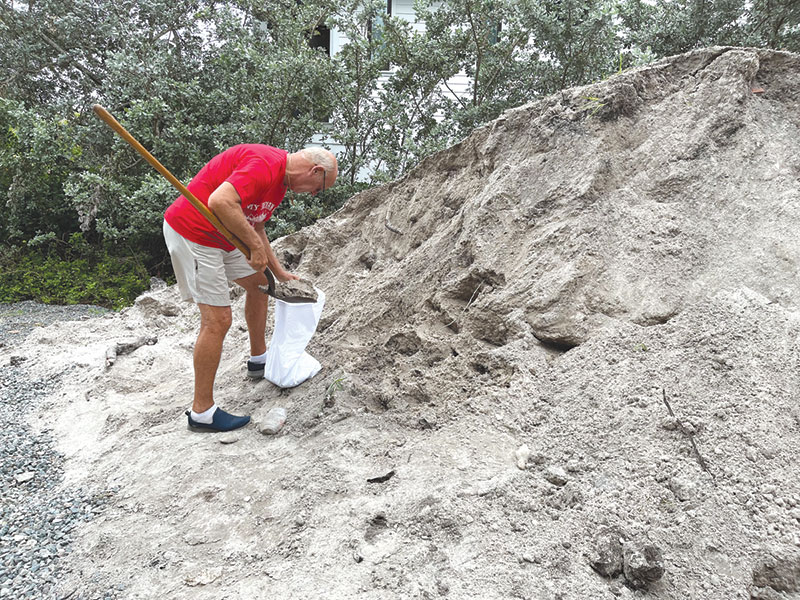
Islanders were ready with sandbags, generators, activities and libations to pass the time July 6-7.
In Anna Maria, nearly 50 cubic yards of sand was used to fill about 2,700 bags, public works director Dean Jones said July 8.
Holmes Beach residents bagged about 40 cubic yards of sand, public works administrator Matt McDonough told The Islander July 8.
As the sun set July 6, cyclone and tornado warnings were issued for Manatee County by the National Weather Service.
But Elsa merely waved as it passed along the coast in the Gulf of Mexico.
At the height of the storm locally, the top wind speed at Sarasota-Bradenton International Airport was recorded at 54 mph at 10:53 p.m. July 6. A speed within the parameters of a tropical storm and 20 mph below the speed required for hurricane classification.
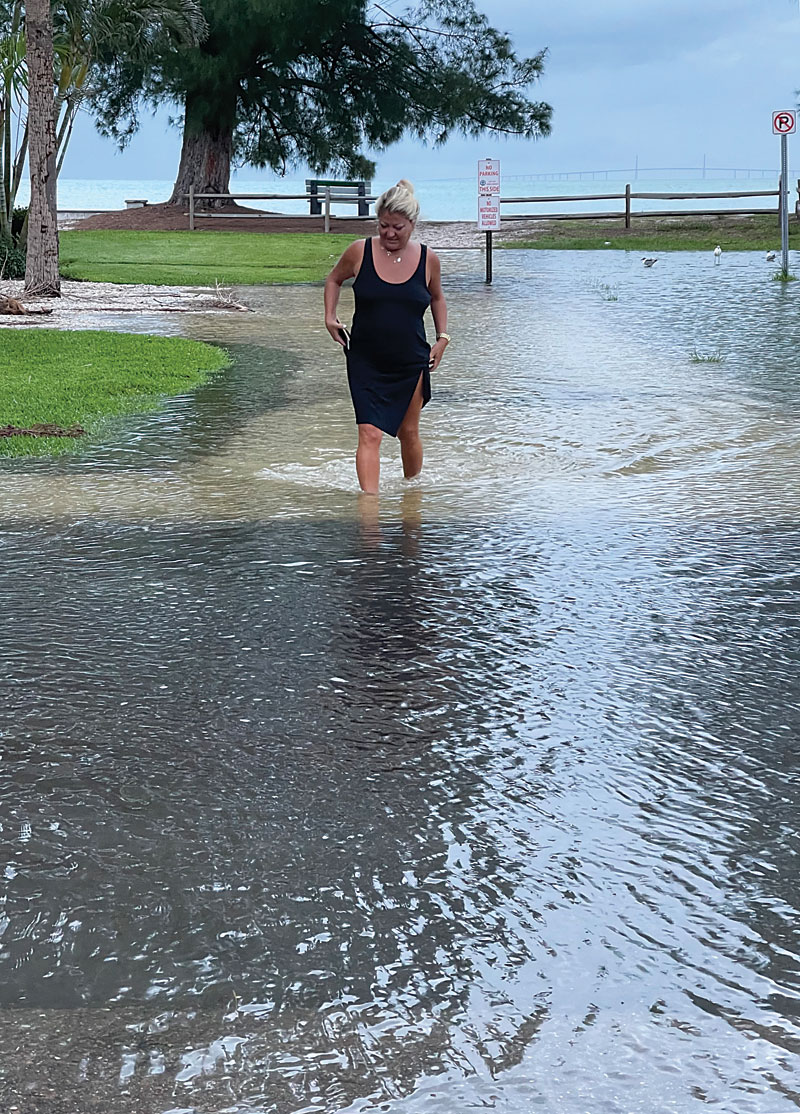
When the winds slowed and rain tapered off early July 7, some island roads were flooded, one tree was down at the entrance to the Martinique North condominiums in Holmes Beach and smaller branches and palm fronds were scattered across roads for public works crews to pick up.
“We dodged a bullet on that one,” Holmes Beach Police Chief Bill Tokajer told The Islander July 7.
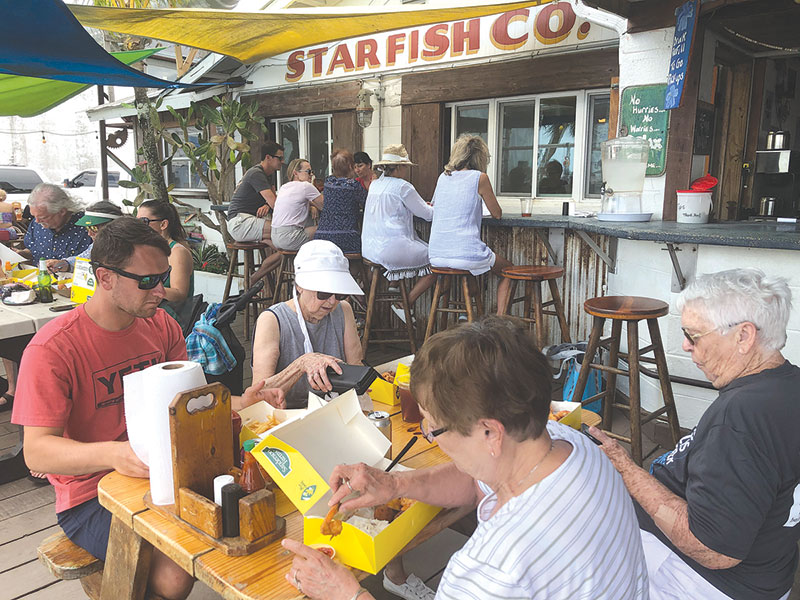
And people went about business as usual the day after, with some claiming Elsa wasn’t as bad as the thunderstorms that hit the island in the weeks prior.
In Cortez, Richard Correa told The Islander, “There was no rocking motion. There was no roaring noise. It just rained.”
“It was pretty busy this morning — you could hear the surf roaring over in Bradenton Beach,” said Correa, who lives on a 30-foot sailing scow in Sarasota Bay.
In Bradenton Beach, police Lt. John Cosby told The Islander July 8 that a boat broke loose from its moorings, but BBPD officers quickly secured it before any damage occurred.
While flooding is usually not a positive, it served a positive purpose in Holmes Beach and Anna Maria.
McDonough said his crews mapped flooding caused by the storm to have a better idea of where the city’s drainage infrastructure can be improved.
“We kind of used this storm as a test run since it was not that bad,” McDonough said.
And in Anna Maria, Jones noted some new areas of flooding to be added to the stormwater mitigation plan.
Visiting Anna Maria from Maryland, Molly Bender waded through calf-deep water to reach the beach for the July 7 sunrise.
“But there was no sun this morning,” she said.
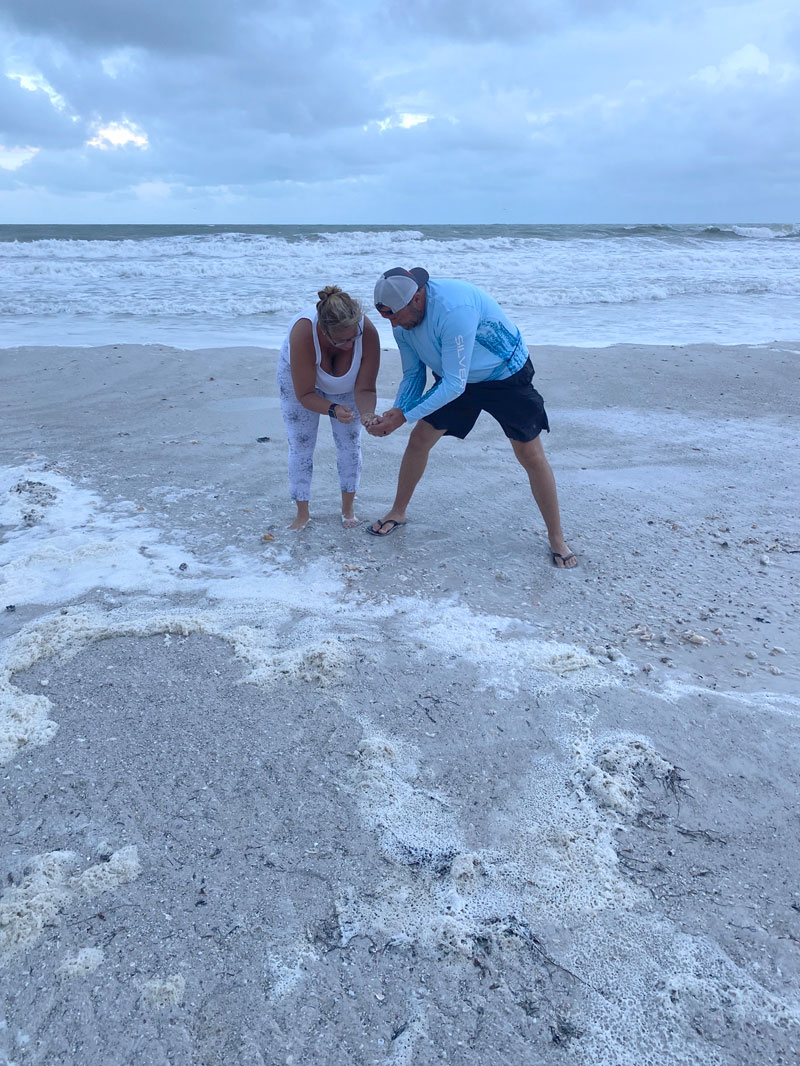
Bradenton residents Larry and Courtney Gaulin told The Islander they enjoy looking for shells after storms as the waves churn up the Gulf and all kinds wash onto the beach.
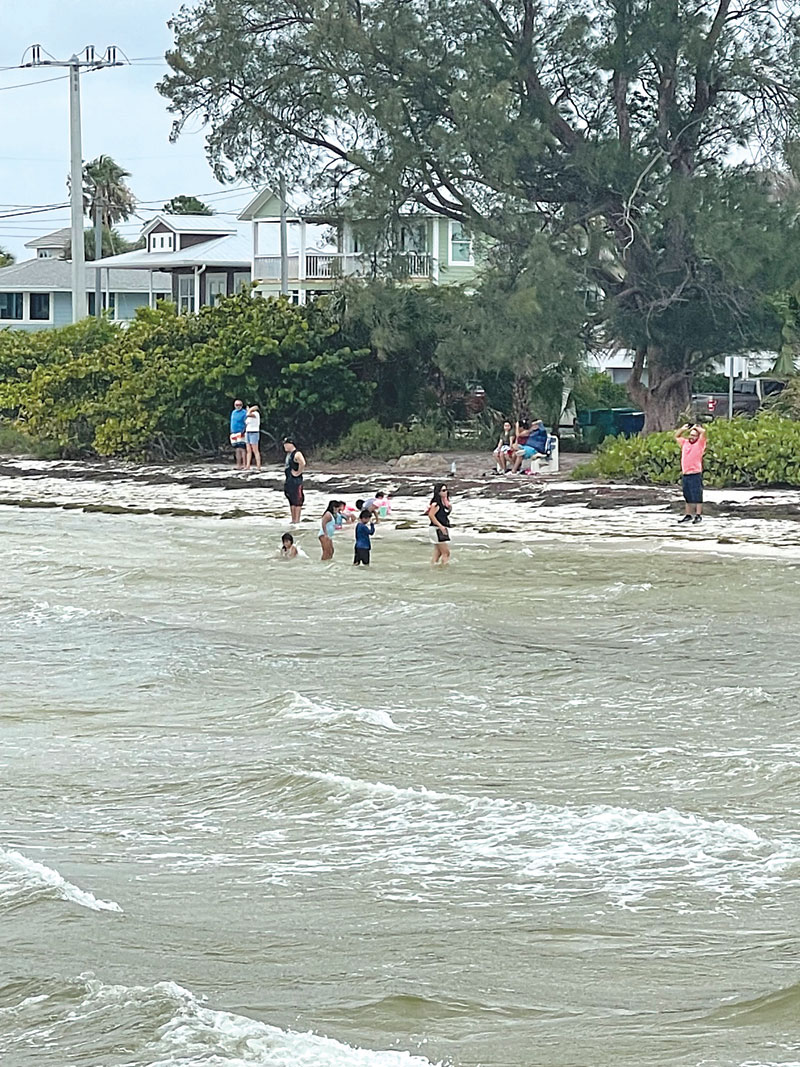
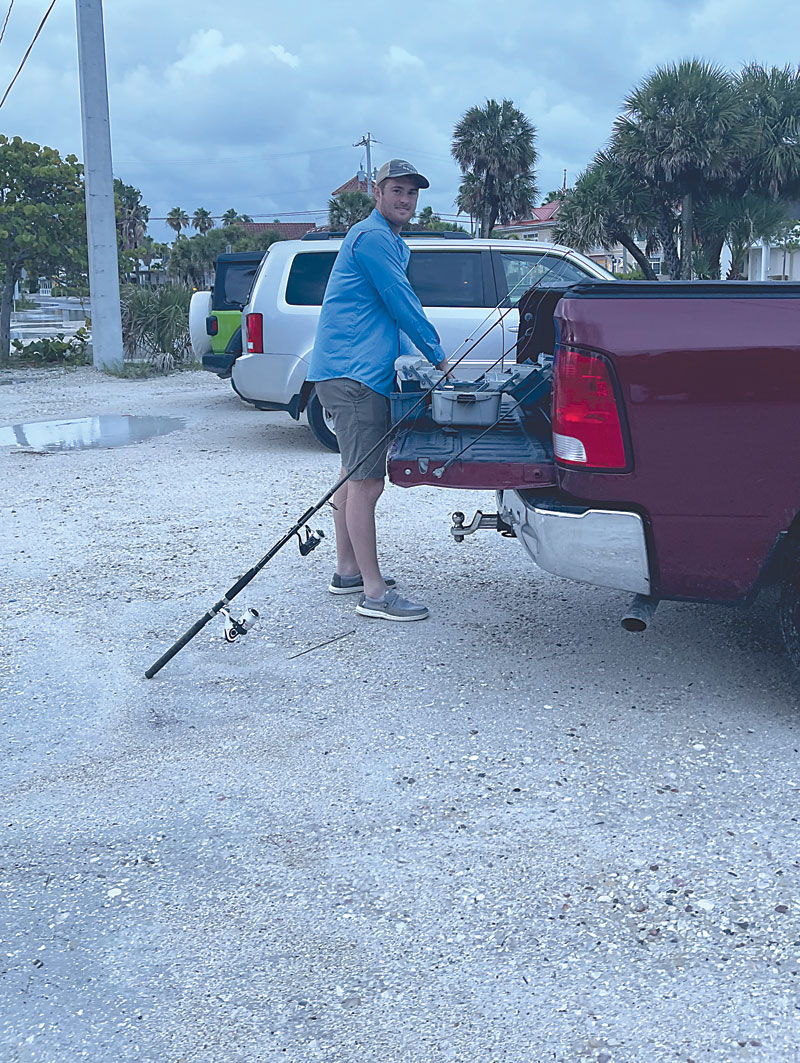
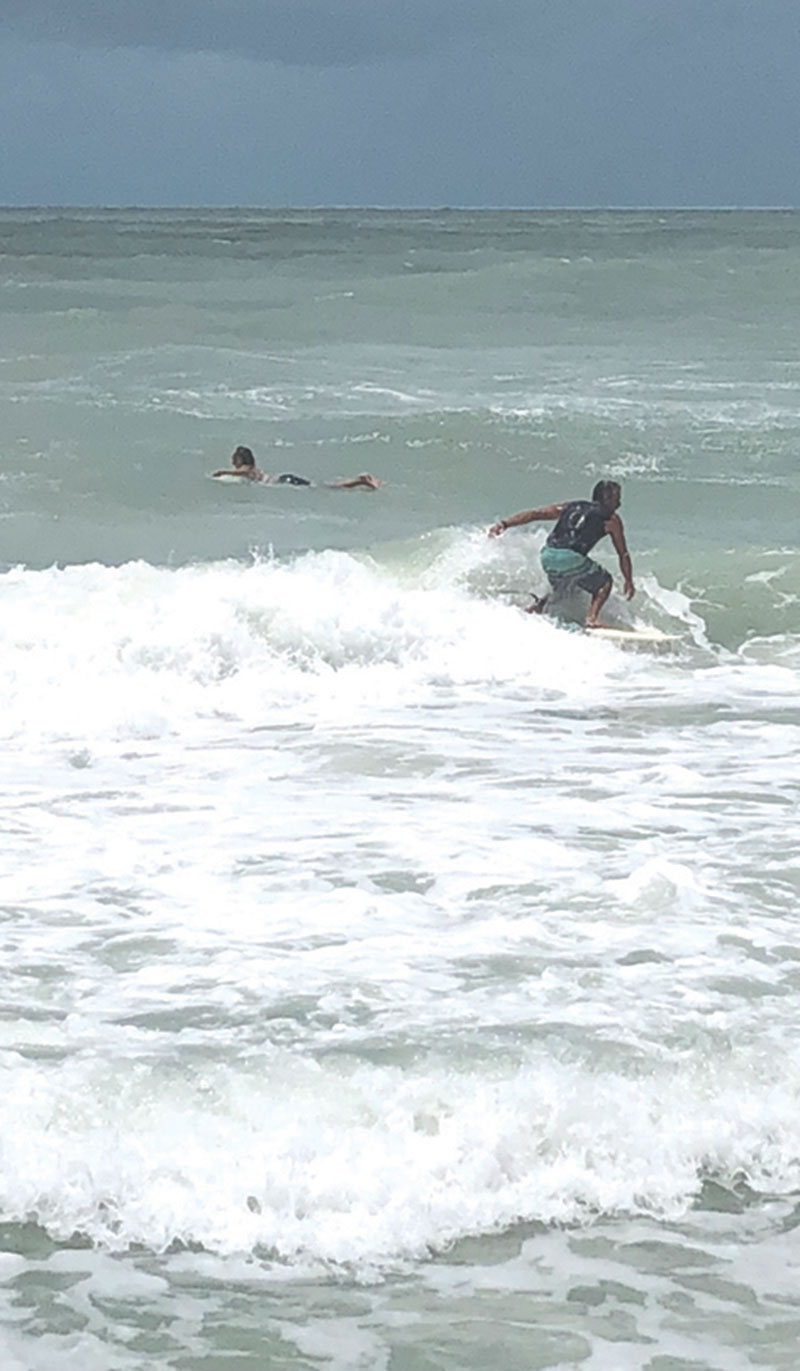
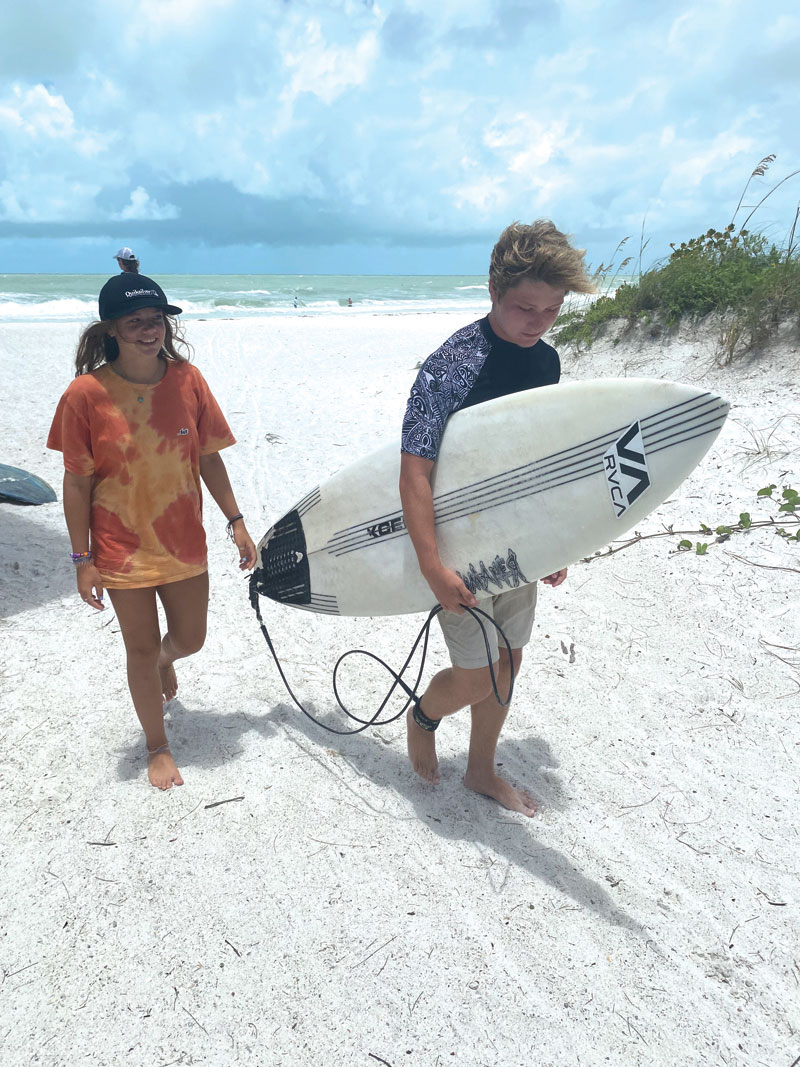
By midday July 7, the sun was shining, people were splashing in the waters of the Gulf and bays and anglers like Jacob Renfrow were casting their lines at the Anna Maria City Pier.
Islander reporters Kane Kaiman, Kelsey Mako and Ryan Paice contributed to this report.