





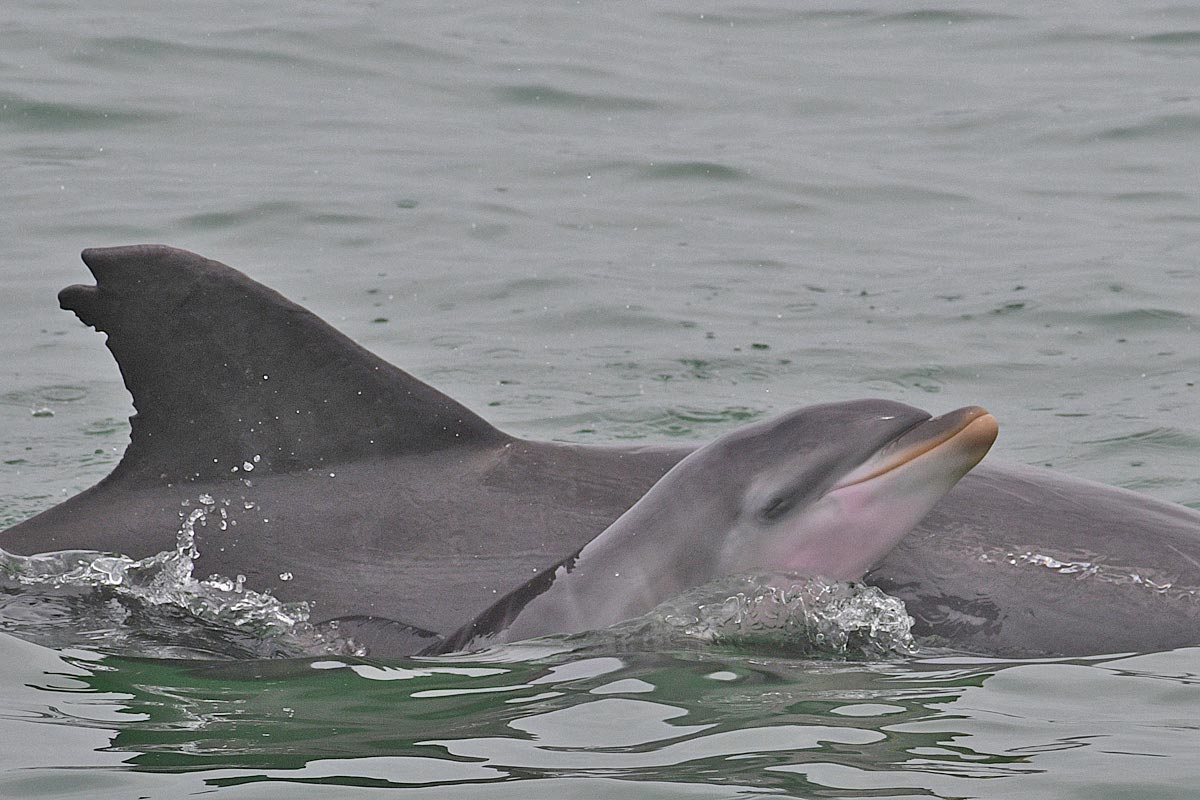
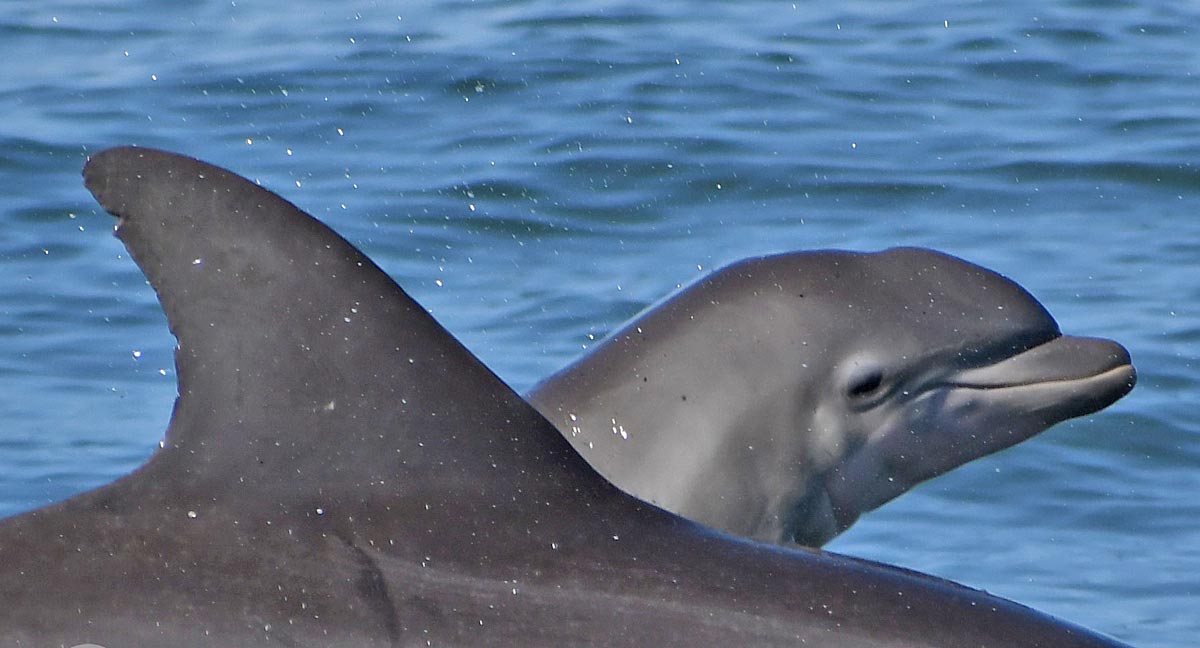
Oh baby!
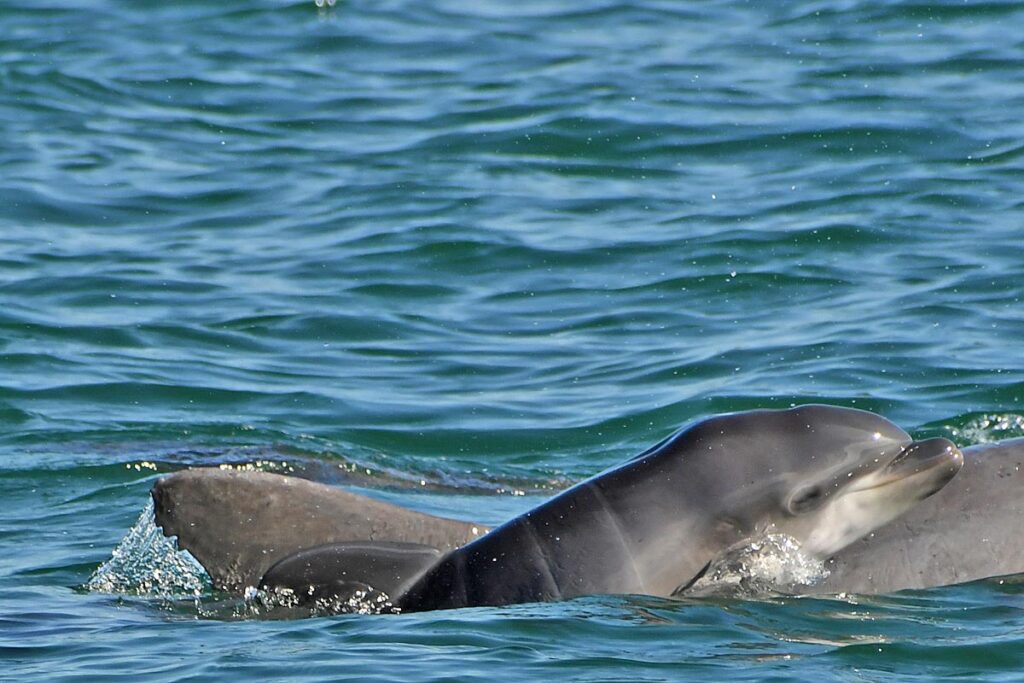
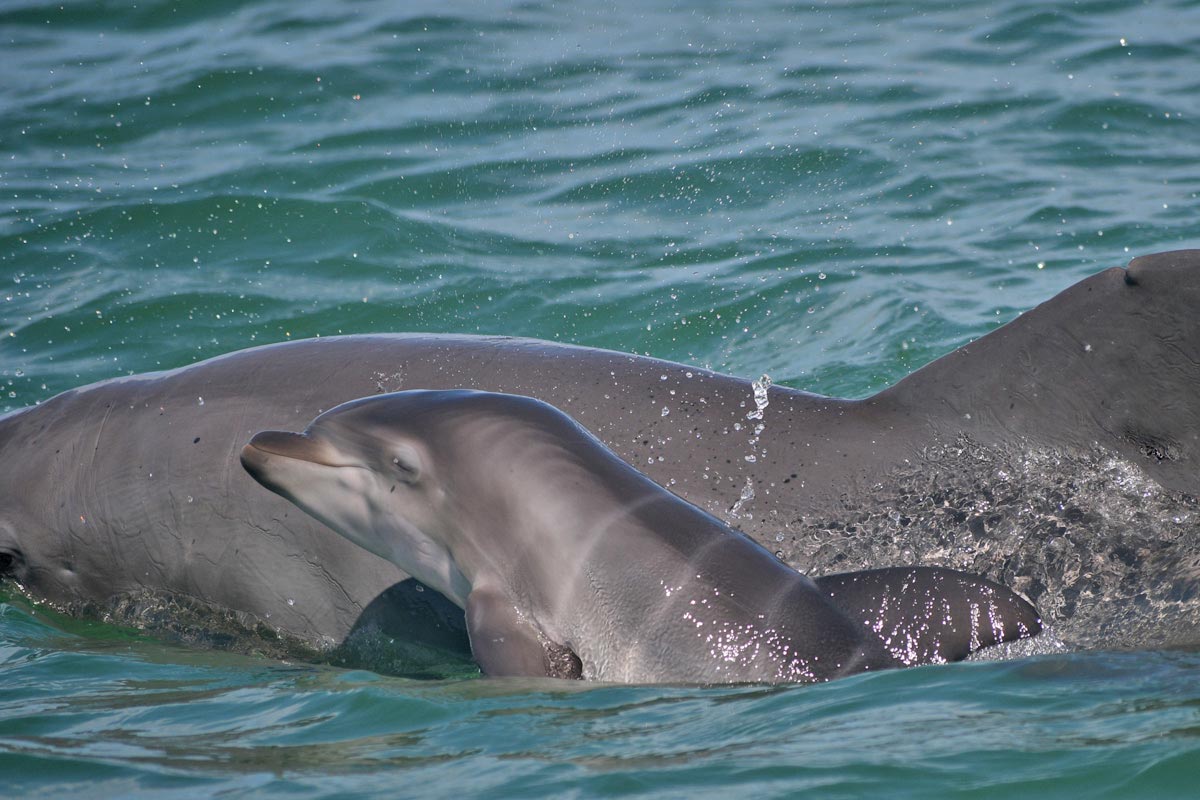
The Chicago Zoological Society’s Sarasota Dolphin Research Program documented 22 dolphin births in 2021 to the long-term resident bottlenose dolphin community of Sarasota Bay.
The number breaks the record of 21 set in 2017, according to a news release.
The newest calf was first observed Dec. 2 with its mother, known to the research community as Squarenotch.
Forty-four-year-old Squarenotch has been observed since 1980 and this is her sixth documented calf.
“It’s great to see the continuing productivity of the bay’s dolphins and really interesting that it was one of our older females that put us over the top,” Randy Wells said in the news release. He’s the vice president of marine mammal conservation for the Chicago Zoological Society and director of the Sarasota Dolphin Research Program based at Mote Marine Laboratory in Sarasota.
Squarenotch was one of 466 dolphins that Wells documented as part of his Ph.D. dissertation, which he completed in 1986.
As part of that work, Wells examined the population structure and social units of dolphins in Southwest Florida.
His studies further expanded knowledge of the Sarasota Bay dolphin community, building on research that began in 1970 with the seminal finding that the bay’s dolphins were long-term residents across decades and generations.
Today, the bay’s dolphins are the focus of the world’s longest-running study of a wild dolphin population.
“It’s exciting to document new calves each year as one measure of the health of the bay’s dolphin population and the health of the bay itself,” Wells said. “But the long-term nature of our research allows us to drill deeper and consider the question of why we had a record number of births. It appears that the red tide that reached Sarasota Bay in 2018 may have played a role.”
The red tide that entered the bay in the summer of 2018 was unusually strong and lasted through the winter of 2018-19, killing marine life and causing millions of dollars in losses to coastal economies.
During and following the bloom, SDRP researchers caught fewer than half the average number of stingrays than expected during prey fish surveys conducted during the summers of 2019 and 2020.
SDRP also found 45% of the females that gave birth to calves in 2021 lost dependent calves during or since the red tide. On average, 31% of Sarasota calves do not survive more than two years, so there were increased losses of calves during the red tide period.
“The record number of births is a wonderful story in itself, but thanks to our long-term data, we’re able to develop hypotheses about some of the factors that may have led to this result, which should lead to a better understanding of what can happen to an animal population when an environmental anomaly occurs,” Wells said.
About the program
The Sarasota Dolphin Research Program has been operated by the Chicago Zoological Society since 1989. Since 1992, the program has been based at Mote Marine Laboratory. For more information, go online to sarasotadolphin.org.