







With mild temperatures and calm waters, plenty of fishers are out on the water in search of a bite and the beaches of Anna Maria are a great place to start.
Walking the shoreline of the Gulf of Mexico in the morning and casting small jigs tipped with shrimp is a good way to find some action. Pompano, black drum and sheepshead are beginning to show along the sandy bottom as they forage for small crustaceans. You may encounter some ladyfish and jack crevalle, which put up quite a fight when hooked on light spinning gear.
As you walk the beach, cast jigs into the trough between the shoreline and the outer bar. This is a highway for the fish that migrate up and down the shorelines.
If walking isn’t your forte, you can plant your feet in the sand and make some casts. You won’t cover as much area but you will get some looks from some fish as they pass your location.
Bottom fishing also is effective for fishers on the beach. Instead of using a jig, tie on a fish finder rig consisting of an egg sinker, a swivel, some leader and a hook. This method — when using shrimp— can be effective for catching whiting. These fish average 10-15 inches and are considered excellent to eat by many surf casters.
When fishing either method — jigging or bottom fishing —it’s good to have an ample amount of shrimp. Live shrimp are always your best bet, but frozen will work if that’s all you can muster up. And, if you’re lucky enough to have both live and frozen, you make use of the frozen shrimp by breaking it into little pieces and chumming the water. If the tide is not too strong, the pieces will get enough scent in the water to attract fish.
The best part about beach fishing is it’s quite simple and a casual walk on the beach carrying your rods, jigs, terminal tackle and a few dozen shrimp in a small bucket is easy to do.
Remember, whether you’re a resident or nonresident, you are required to carry a fishing license. And, if you plan on keeping some fish, bring a measuring stick to make sure your catch is of legal size.
For folks lucky enough to take a guided fishing trip, Capt. David White is targeting gag grouper in Tampa Bay. Using live bait around artificial reefs and wrecks is leading White’s clients to some keeper-size gags. Trolling with lipped plugs in the same areas is resulting in hookups.
While working the flats, White is using live shiners as bait, which is working well on snook and redfish. These inshore favorites are being caught during afternoon fishing excursions when the water on the flats has warmed. Best results are occurring before the cold fronts arrive.
On the cooler days during the fronts, White is using live shrimp as bait to target pompano. Tipping jigs with pieces of fresh-cut live shrimp is working best, although sometimes it takes a whole shrimp on the bottom to intrigue a pompano. While targeting the pompano, White also is seeing a few sheepshead and black drum.
Jim Malfese at the Rod & Reel Pier says mangrove snapper and black drum are being caught by anglers using live shrimp as bait — combining the shrimp with a bottom rig — and casting under the pier, is attracting the most attention from the drum and snapper. While fishing this method, pier fishers also are hooking into redfish and under-slot snook.
There are still schools of shiners around the pier, which brings the potential for migratory species to be present. Spanish mackerel, jack crevalle and ladyfish can pop up at any time, so it’s always best to be prepared. Try carrying some silver spoons or small jigs to target the species. If you don’t have lures, they do carry them at the pier — for a price.
Capt. Jason Stock is pursuing large amberjack while working offshore in the Gulf of Mexico. With some of the species pushing 100 pounds, anglers with determination and stamina are required to successfully reel these large predatory fish to the boat.
Kingfish are in the mix while targeting the amberjack. These fish are quite powerful and can peel 100 yards of line off the spool before the unsuspecting angler knows what happened.
Stock says bottom fishing offshore also is producing action, especially for gag grouper. Keeper-sizes are being caught frequently when using live pinfish.
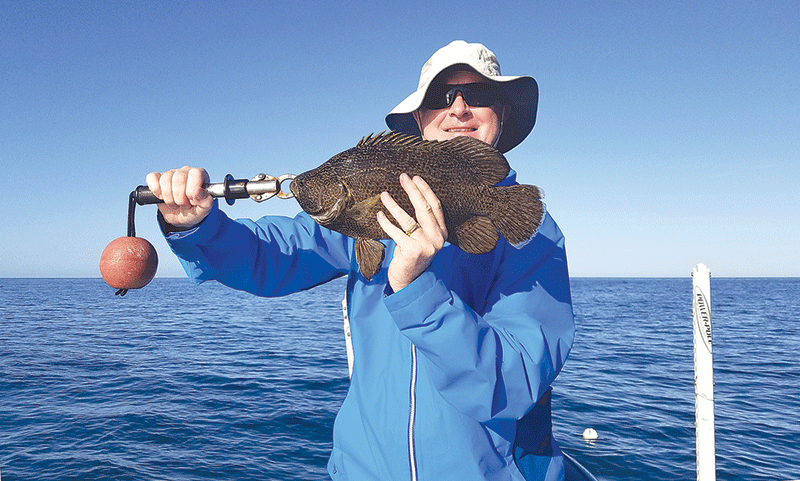
Lastly, tripletail are being spotted occasionally, which adds a nice variety to the bite and the prospect of a tasty dinner.
Send high-resolution photos and fishing reports to fish@islander.org.