



With light winds and calm waters, fishers are swarming to the water to cast a line.
Whether it be from the shore, pier or boat, anglers are being rewarded with crystal clear waters, cool light breezes and doggone good fishing.
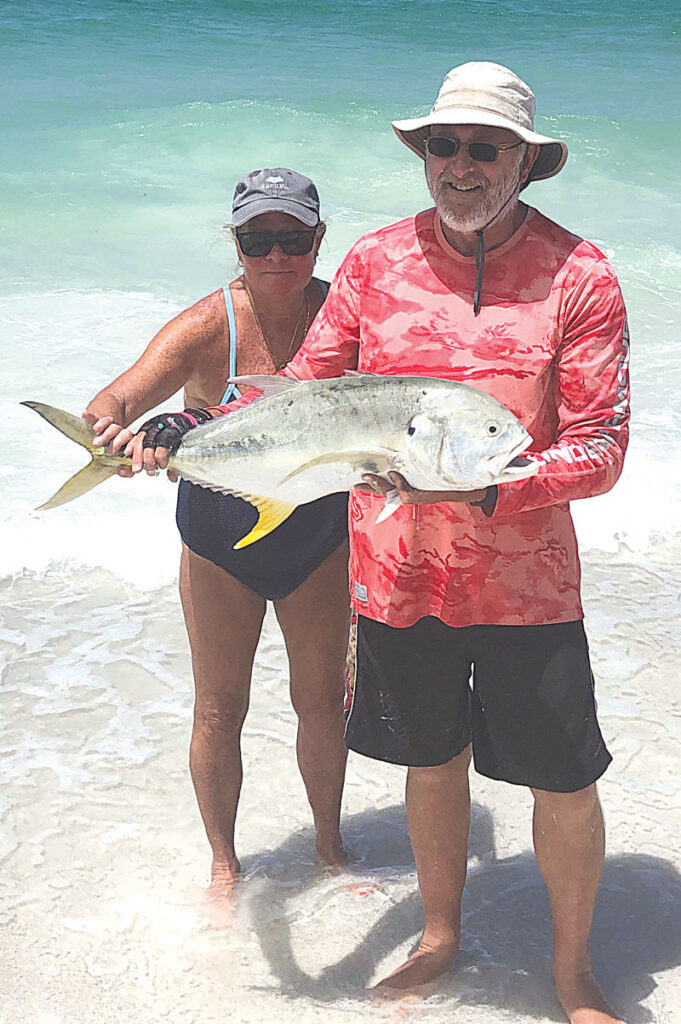
Along the beaches, anglers casting small jigs into the surf are encountering a variety of species, including pompano, jack crevalle, ladyfish and whiting. Tipping the jigs with a piece of fresh-cut shrimp is advantageous. The scent of shrimp combined with the jig is a good bet when hoping the hook finds a pompano.
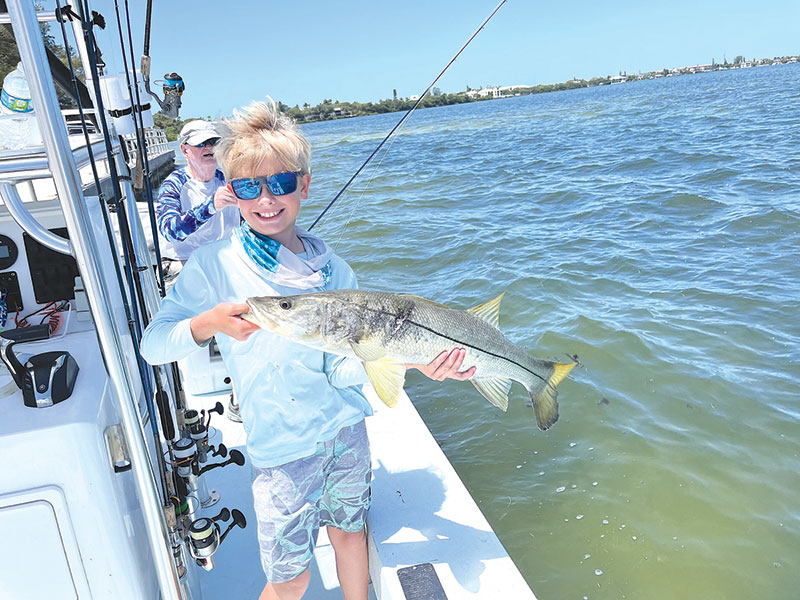
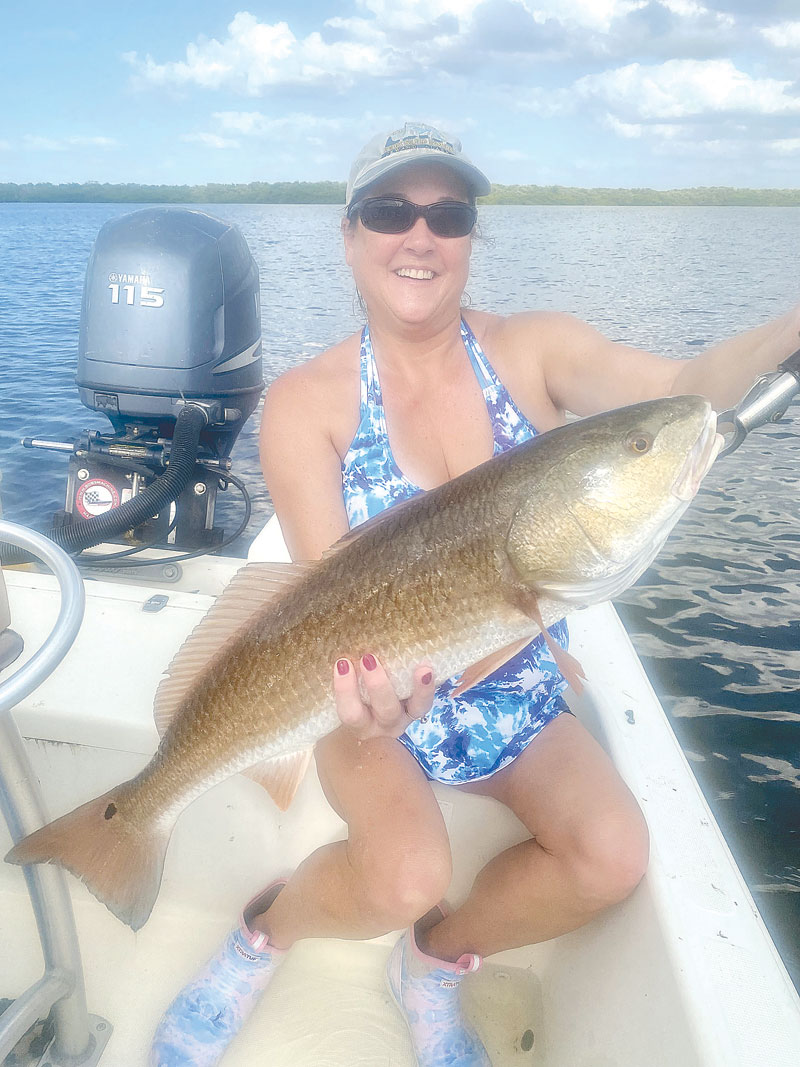
Those fishing off piers and docks are finding action on snook and redfish. Both are being caught using live shrimp and shiners as bait.
And those fishing from a boat are finding as many fish as their cunning allows. Fishing the inshore waters east of Anna Maria Island is good for a variety of species. Snook and redfish are plentiful around the shallows where mangroves and oyster bars exist.
Fishing slightly deeper over lush green flats of Tampa Bay is a sure-fire way to find some action on spotted seatrout. And, in the same areas, don’t be surprised to encounter macks, jacks and ladyfish.
You’ll know the mackerel are there the first time you get a hit and reel in a hookless leader. The macks’ razor-sharp teeth can slice through a 30-pound fluorocarbon leader like butter. Their teeth are so sharp that sometimes the angler might be unaware they had a bite.
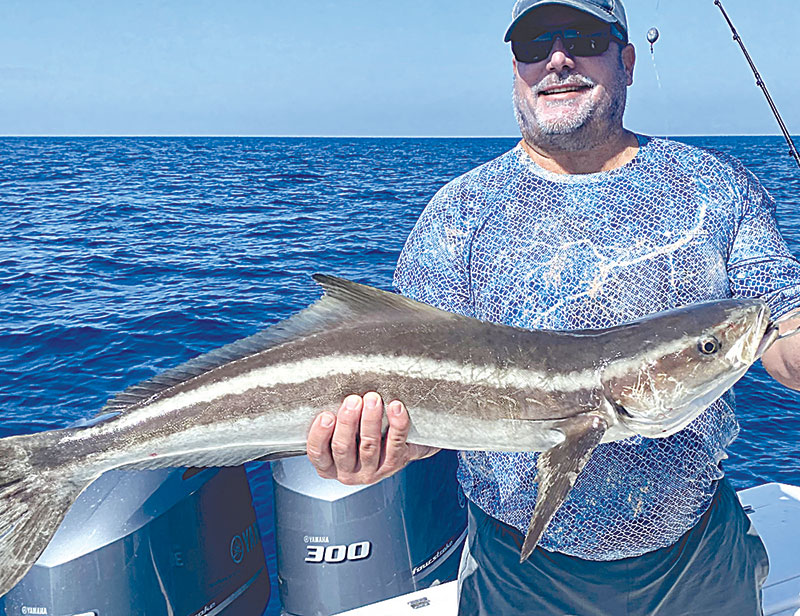
Moving out of the bay and into the Gulf of Mexico, anglers working offshore are being rewarded with migratory species — kingfish, mackerel, bonito, blackfin tuna and cobia. Most of this action is occurring over wrecks and reefs. While bottom fishing over hard bottom areas is good for mangrove and yellowtail snapper, as well as a variety of groupers.
On my Just Reel charters, I am finding plenty of action for clients in Tampa Bay. Targeting snook on the flats is a crowd-pleaser. Rallies of snook 20-26 inches are common. I’m also seeing a few slot-sized fish in the mix.
Redfish are taking our bait, although not like the snook. I’m finding random reds while snook fishing along mangrove edges and docks.
Targeting spotted seatrout is proving quite fun. These fish are abundant on many flats in the bay and are ideal for anglers looking to take home a fish or two for dinner.
Mixed in with the trout are mackerel, jack crevalle and ladyfish.
Capt. David White is taking advantage of low winds and calm seas, heading offshore into the Gulf of Mexico. While bottom fishing over hard bottom areas, White is encountering red grouper and yellowtail snapper. These bites are occurring on live bait — pinfish and shiners combined with a bottom rig.
Fishing baits toward the surface, such as free-lined shiners, also is attracting attention, especially from blackfin tuna and an occasional cobia.
Moving inshore, White is finding action over the grass flats of Tampa Bay, where targeting snook and redfish along mangrove shorelines is productive.
Moving to the deeper areas of Tampa Bay, over wrecks and reefs, White’s clients are getting a good bite on the plethora of Spanish mackerel.
Capt. Jason Stock is finding blackfin tuna and bonito while wreck fishing in the Gulf. Free-lining live shiners among these hungry, frenzied fish sends them breaking the surface of the water, thrashing the bait schools and leading to immediate hookups and thrilling battles, testing the stamina between fish and angler.
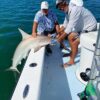
To top it off, Stock encountered a random great white shark on the hook April 25.
Another species being caught while wreck fishing is permit. On calm days, Stock has his clients casting live crabs to these fish, where they lounge below the surface of the water over the wreck. Permit 10-15 pounds are common, with bigger ones mixed in.
Moving to the nearshore waters in depths of 40-50 feet, Stock’s anglers are hooking into kingfish, bonito, mackerel and some catch-and-release grouper.
Capt. Warren Girle is finding an ample amount of fish while working the tranquil waters of Sarasota Bay. Fishing shallow flats near mangrove shorelines is resulting in numerous catch-and-release snook, as well as quite a few catch-and-release redfish. Freelined live shiners over deeper grass flats is working well.
Meanwhile, Girle is finding spotted seatrout, macks, jack crevalle and ladyfish lurking on the deeper flats in search of a meal.
Finally, moving out of the bay and into the Gulf is paying off. Migratory fish — Spanish and king mackerels —can be caught in the nearshore waters. Large shiners combined with a wire rig are resulting in an occasional kingfish. Smaller shiners on a long shank hook are taking the Spanish mackerel.
Jim Malfese at the Rod & Reel Pier says fishers using live shrimp as bait are hooking into a variety of species and the prize snook are arriving at the pier and taking live shrimp offerings when the tides are right. Malfese says drifting large shrimp under the pier is working well for the linesider hookups. Smaller shrimp are working, too, although the snook are less apt to snub their noses at a live jumbo shrimp.
Casting small jigs or silver spoons away from the pier is attracting attention from a trio of migratory — ladyfish, jacks and macks. This bite is best when schools of shiners are present in the waters around the T-end of the pier.
Send high-resolution photos and fishing reports to fish@islander.org.