








The game is to beat the heat. Fishing in August around Anna Maria Island requires patience and tolerance to be a winner.
Fishing the inshore waters of Tampa Bay becomes challenging when water temperatures reach the mid- to upper- 80s, causing the bite to slow.
Spotted seatrout are the most consistent bite and even they require some work to get on the hook. Fishing swift-moving tides early in the morning works best.
The same scenario applies for the snook. Getting a good tide during the first couple of hours of daylight provides you with the best chances of a hook up.
As the day progresses and the heat intensifies, moving to deeper water in the bay will help you find a more consistent bite. Fishing reefs and wrecks is advantageous, as you may readily find mangrove snapper and Spanish mackerel.
If you fancy bigger fish, you can target sharks along the Gulf beaches. The fish are plentiful and hungry. And they don’t seem to mind the warmer water, especially when a fresh-cut piece of Spanish mackerel is dangled in front of their nose.
Moving offshore, snapper provides the most consistent action. American red, mangrove and yellowtail are the stars of the show. The American reds respond to live and frozen baits. As for the mangoes and yellowtails, small live shiners work best. While offshore, you may encounter red and gag grouper, as well as an occasional cobia.
On my own Just Reel charters, I’m seeing clients earn every fish they catch. Fishing deeper grass flats is working for spotted seatrout and mangrove snapper and we’re also catching snapper around the inshore wrecks and reefs.
Snook fishing is doable, although the bite diminishes after mid-morning. Lastly, fishing along the beach is giving thrills out-of-towners who are hooking up with blacktip sharks.
Capt. Warren Girle is finding mangrove snapper while working the artificial reefs in the Gulf of Mexico. By chumming, Girle is getting the snapper to rise to the surface from the reef below by free-lining live shiners behind the boat, making them targetable. In some instances, if the snapper are apprehensive to come to the surface, Girle is adding a split shot to the rig to get the bait a little deeper.
On calm days, Girle is hooking into an occasional permit, using live crabs and shrimp as bait.
Moving inshore to the flats, spotted seatrout are the main attraction for Girle’s anglers. Deep grass areas in Sarasota Bay hold the trout. Also in the mix are mangrove snapper.
Capt. David White is working offshore in the Gulf when the summer thunderstorms hold back. In depths of around 150 feet, White is putting clients on limits of American red snapper. Live baits such as pinfish and frozen sardines work well to catch the large snappers. In depths slightly shallower, around 100 feet, White is finding yellowtail snappers where hard bottom and ledges are present. Again, limits are being caught. Finally, while offshore, White’s anglers are hooking into an occasional cobia.
Moving inshore, White is finding action around rock piles, wrecks and reefs in Tampa Bay, where mangrove snapper are being caught on live shiners.
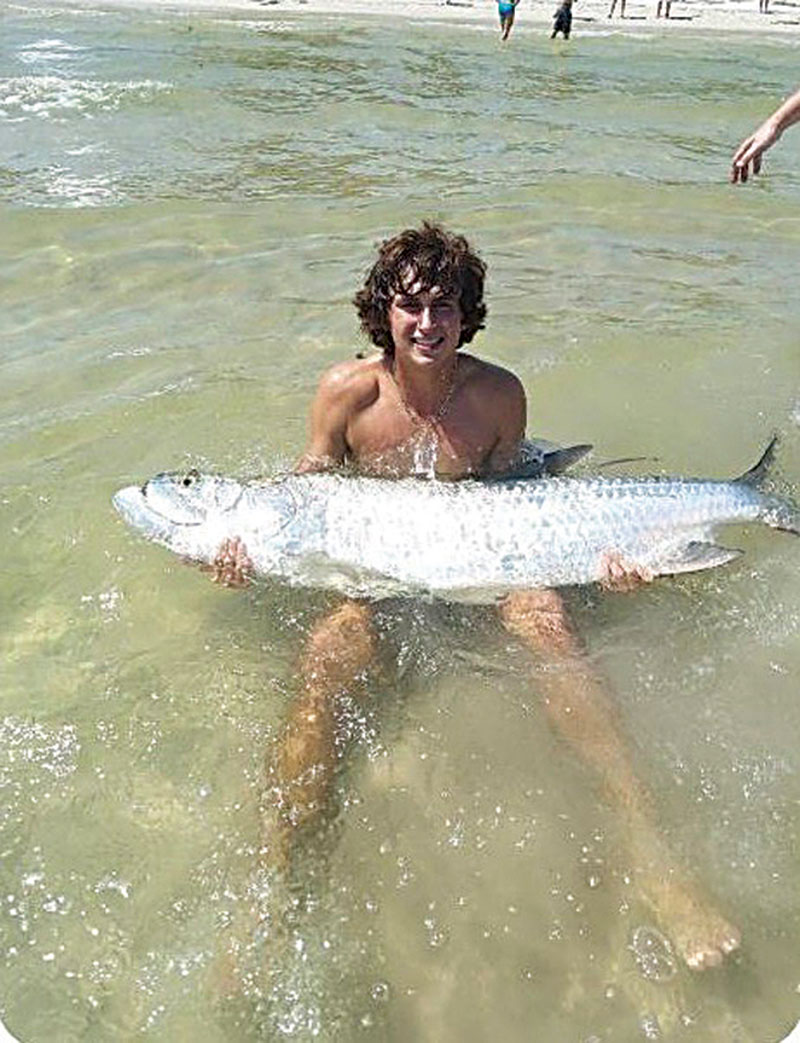
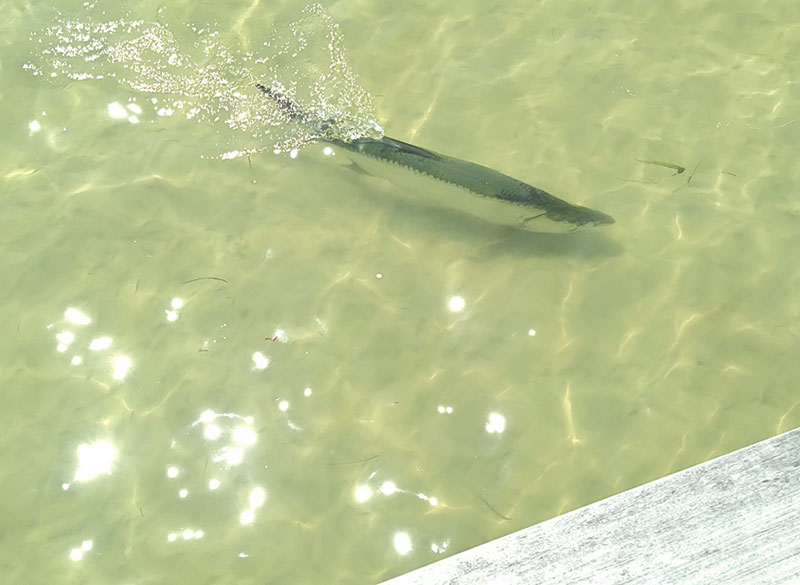
Along the Gulf beaches, White is finding catch-and-release snook accommodating. Sight-casting to the fish is the preferred technique.
Lastly, shark fishing is a crowd-pleaser for the Anna Maria Charter customers.
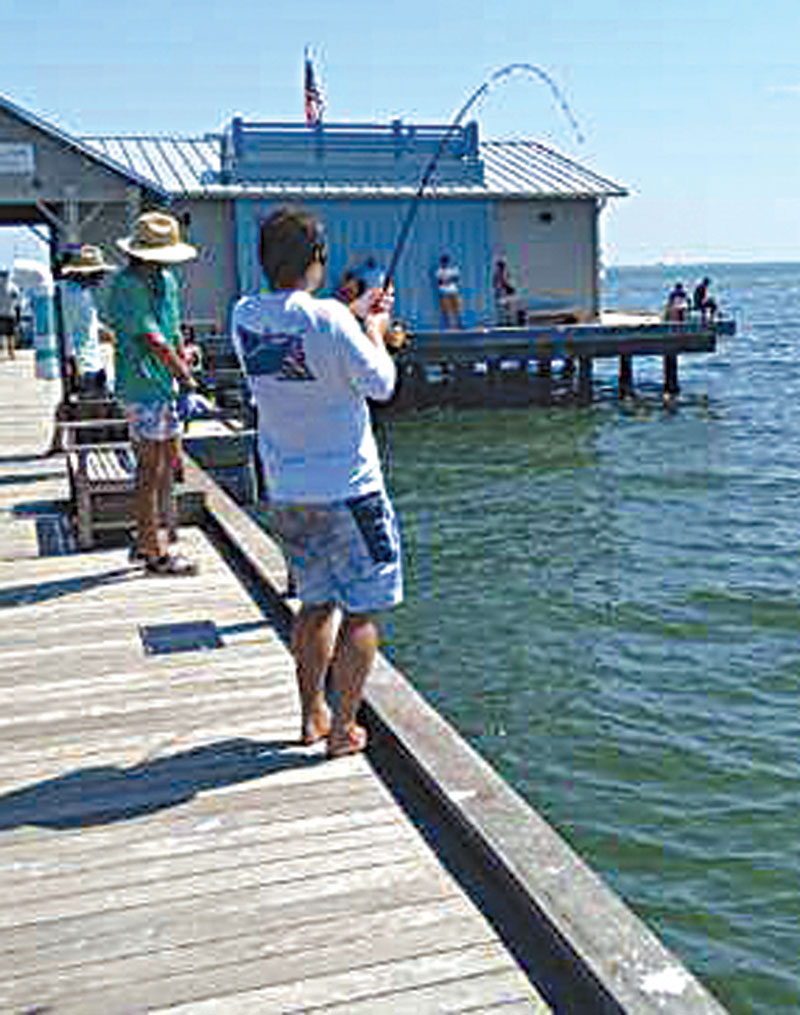
Jim Malfese at the Rod & Reel Pier says between untangling pelicans from fishing lines and making sure the pier is operating smoothly, he’s seeing quite a few fish caught. Mangrove snapper are the predominant bite for anglers using live shrimp as bait. Light leaders and small hooks, with the addition of a split shot, complete the rig when targeting the educated snapper. These fish see all sorts of varieties of rigs day in and day out, so stealth can work in your favor.
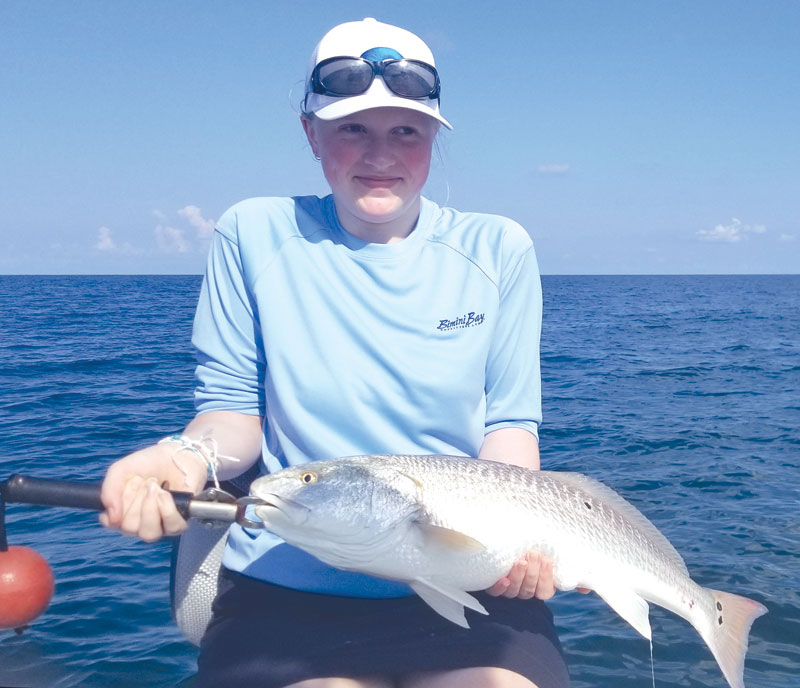
Along with the mangrove snapper, Malfese is seeing some catch-and-release snook and a few redfish on the hook. When targeting these fish, slightly heavier gear than traditional snapper gear may be required, as some of the snook and reds lurking under the pier can be large. Live shrimp as bait works to attract either species.
Lastly, as the bite slows during the heat of the afternoon, Malfese says it doesn’t hurt to take a break for a cold beverage in the shade of the bar.
Send high-resolution photos and fishing reports to fish@islander.org.