






Fishing around Anna Maria Island as August ends is productive, aside from anglers enduring scorching hot days while dodging pop-up thunderstorms.
With high tides peaking just after sunrise, many anglers are seizing the opportunity to get some flats fishing accomplished while the temp is at the day’s low point.
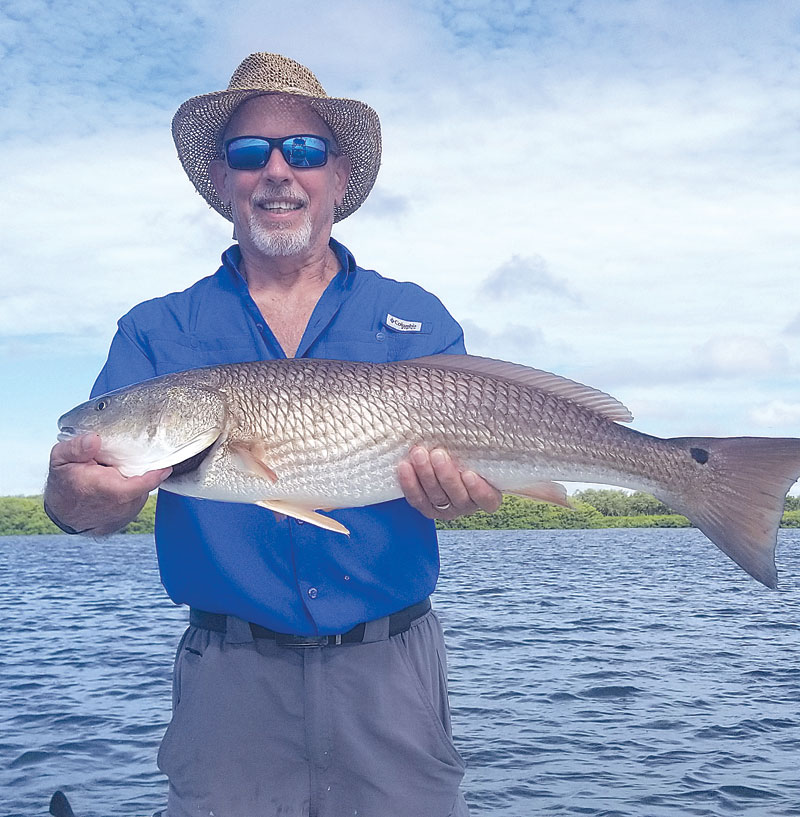
Snook and redfish are being caught early, before the sun heats the shallow waters of the flats. Using live, free-lined shiners as bait works, although with the endless number of pinfish inhabiting the grass flats, changing out baits frequently is necessary.
On deeper grass flats, spotted seatrout are taking the bait. Swift moving tides are triggering better results from the trout, so timing is everything.
You’ll also encounter some other species — mangrove snapper, ladyfish and some annoying catfish — in abundance throughout Tampa Bay.
Moving to deeper water can be advantageous as the morning progresses and the heat intensifies. Fishing wrecks and reefs yields good action on mangrove snapper.
Chumming for the snapper will aid in reaching a limit in a short amount of time. Just remember, the chum attracts other predators — Spanish mackerel, ladyfish and skip jacks. Although fun to catch, these fish can “get in the way” of the snapper bite, so chum accordingly.
Getting back to the snapper: You’ll want to rig stealthy as mangrove snapper have a reputation for being selective on taking bait. A small hook and light fluorocarbon leader are the best combination. Try starting with 20-pound fluorocarbon and a No. 4 hook. If this works, stick with it. If not, scale down your leader and hook size and cast again.
And don’t think snapper fishing is exclusive to fishing in a boat. Mangrove snapper like to inhabit structure. This includes bridges, pilings, piers, docks, seawalls and even mangrove roots. Fishing the piers of Anna Maria for snapper is a favorite pastime for anglers.
Just remember that snapper can be picky and the more susceptible they are to pressure, the smarter you’ll have to be in your approach to be successful at catching dinner.
On my Just Reel charters, we’re seeing limits of snapper being caught. On some days, the bite is quick and for others, my clients have to earn it.
Moderately chumming is keeping the snapper interested long enough to get some in the cooler. Typically, the mackerel and skip jacks arrive as well, which makes targeting the snapper slightly more difficult. Adding a little weight to the rig helps to get the bait down quickly to the reefs, where the snapper lurk.
After putting the snapper in the cooler, we’re moving to the flats to target snook along the mangroves. Swift tides produce the best action. Fishing deeper grass flats also works well during the swift stages of the tide.
Meanwhile, spotted seatrout and ladyfish are quickly taking baits free-lined behind the boat.
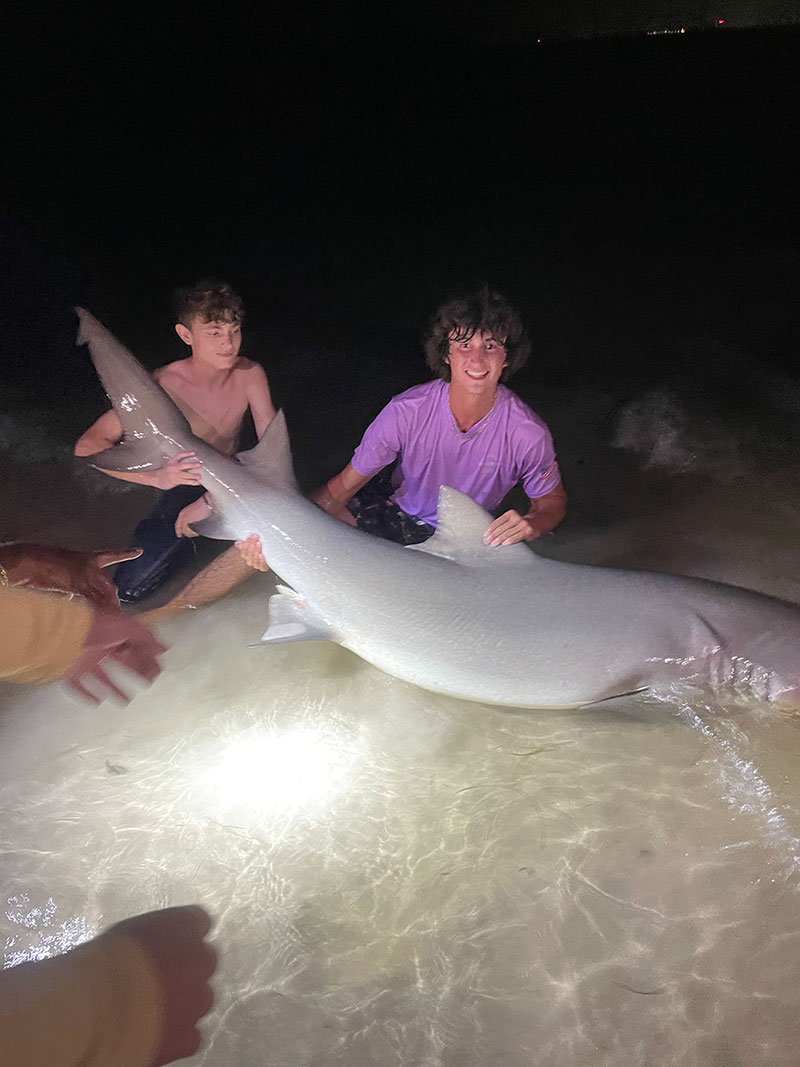
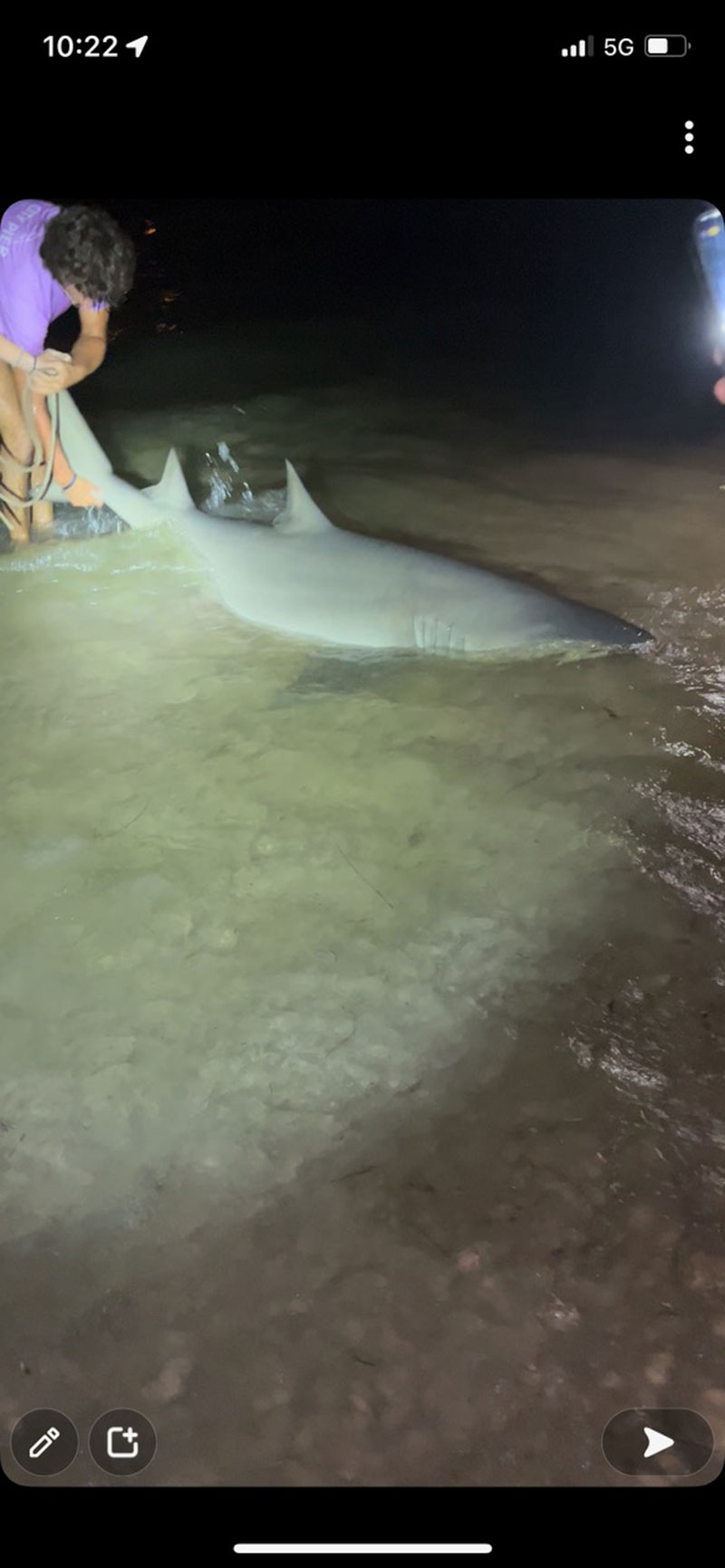
Finally, fishing along the beaches for small blacktip sharks is entertaining. Site casting to 15-20 pound sharks with medium spinning gear can provide drag-screaming action — and a great visual display of jumps and twists in the air for the angler holding the rod and everyone in the boat.
Capt. Warren Girle is targeting mangrove snapper with success on artificial reefs in the Gulf of Mexico and along some of the deeper grass flats in Sarasota Bay.
On the reefs, Girle is putting on snapper. Anchoring and chumming works well to encourage snapper to leave their hiding spots in the reef and come to the surface. Once snapper are visible behind the boat, Girle has his anglers free-line live shiners or small pinfish in the chum, resulting in numerous hookups on 12-16 inch snapper.
On the flats in Sarasota Bay, Girle is again finding snapper, although spotted seatrout are the targeted species. Freelining live shiners over deeper grass flats attracts numerous trout with an occasional mangrove snapper in the mix. The snapper are typically smaller, 10-12 inches, and not as consistent as the reef fish.
Fishing shallow grass flats close to shore along mangroves is producing action, too. Snook and redfish are being caught on Girle’s trips during swift tides when live shiners or pinfish are used as bait.
Jim Malfese at the Rod & Reel Pier says he’s seeing plenty of anglers catching mangrove snapper. Drifting live shrimp under the pier during the beginning stages of the tide — when the current has yet to reach its full speed — works well for the inshore snappers. Most catches are 10-12 inches, with some lucky anglers catching larger fish.
Don’t be discouraged if you show up later in the tide. Try adding some weight to your rig to hold your bait steady on the bottom under the pier deck. The bite may not be as consistent but chances are still good for catching a few fish for dinner.
On days when the large schools of sardines are surrounding the pier, Spanish mackerel are being caught along with ladyfish and skipjacks. Speck rigs, work best when targeting the macks. Silver spoons will attract attention.
Lastly, large snook are lurking under the pier and are apt to take a large bait offering if it’s presented to them at the right moment and a small ladyfish on the hook works well in this scenario.
Remember to use stout gear for these large fish and be ready to guide them from the barnacle-encrusted pilings under the pier to get them to the deck.
Capt. David White is catching a variety of species while fishing the inshore waters of Tampa Bay. Fishing along the beaches is producing action on snook, as well as a few large redfish. Most of the action occurs while site-casting to the fish and can be quite exciting for folks.
Shark fishing is peaking along the beaches and, again, many of these fish can be seen eating the bait — or the catch.
Fishing deeper areas — wrecks and reefs — is producing mangrove snapper and Spanish mackerel. Both are attracted to the boat by chumming.
Moving to the grass flats, the snook are active and casting the bait along the shorelines works best, says White.
Send high-resolution photos and fishing reports to fish@islander.org.