








“Evacuate.”
“Catastrophic storm surge.”
“Worst-case scenario.”
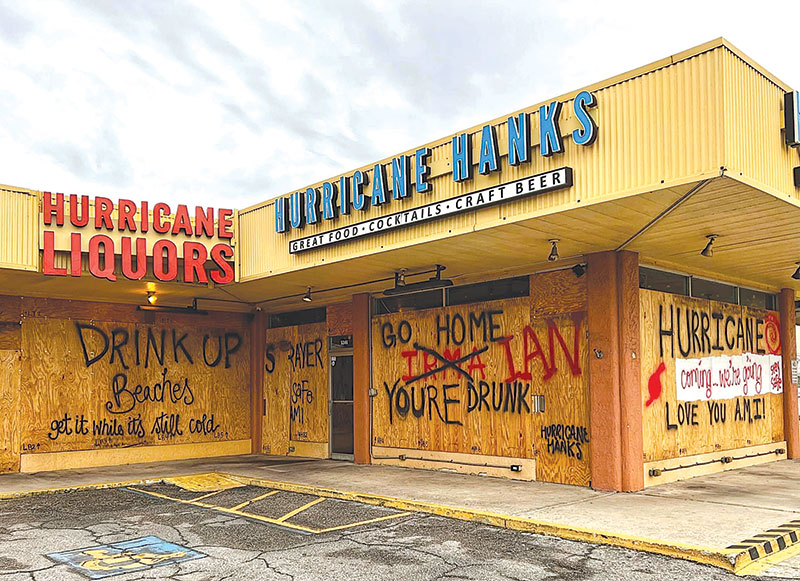
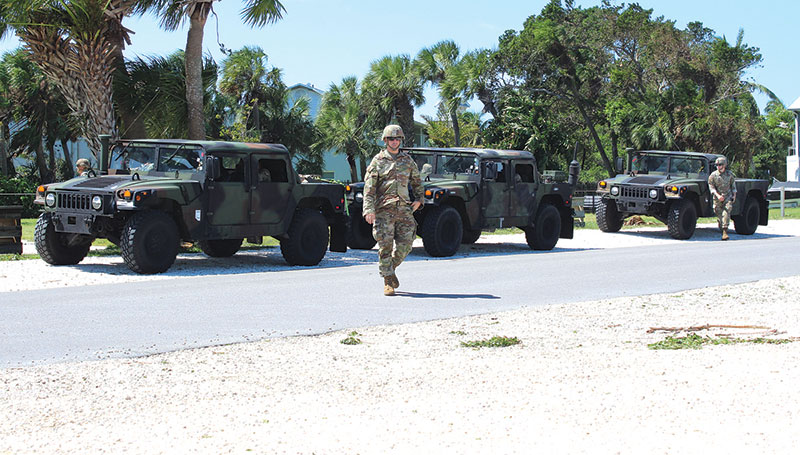
Islanders and those nearby on Perico Island and in Cortez packed up and left their homes and businesses late Sept. 26 and early Sept. 27 under orders from Manatee County to evacuate ahead of Hurricane Ian.
As Ian left a battered Cuba in its wake, local emergency management professionals were preparing for a major storm to hit the Tampa Bay area, probably the worst storm to hit the area since the hurricane of 1921 that devastated Cortez.
By mid-day Sept. 27, whether the island evacuees sheltered near or far, there was buzz from professional storm trackers — as one Weather Channel reporter put it, “There’s incredible uncertainty to that cone of uncertainty.”
Then uncertainty became inevitability — Ian was going to make landfall to the south, south of Sarasota County in Charlotte County, in one of the fastest growing areas of the state.
On Sept. 28, the worst-case scenario became the reality not for AMI but for Fort Myers, Boca Grande, Port Charlotte and other communities to the south, where Ian caused catastrophic damage and loss of life, prompting hundreds of search-and-rescue operations.
Ian made landfall at 3:05 p.m. Sept. 28 at Cayo Costa — a state park accessible only by ferry on an island on the Gulf of Mexico at the southern tip of Charlotte Harbor — as a monstrous Category 4 hurricane, one of the strongest storms to hit the United States.
In Lee, Charlotte and Collier counties, Ian flooded buildings, cut off the only access roads to Sanibel Island and Pine Island, destroyed a waterfront pier in Naples and, across the state, knocked out electricity to about 2.6 million properties.
Ian’s impact was felt across the state and then into Georgia and the Carolinas with heavy rainfall, widespread flooding and wind.
An early assessment in Manatee County, announced Sept. 30, estimated residential damages at $31 million and commercial damages at $6 million.
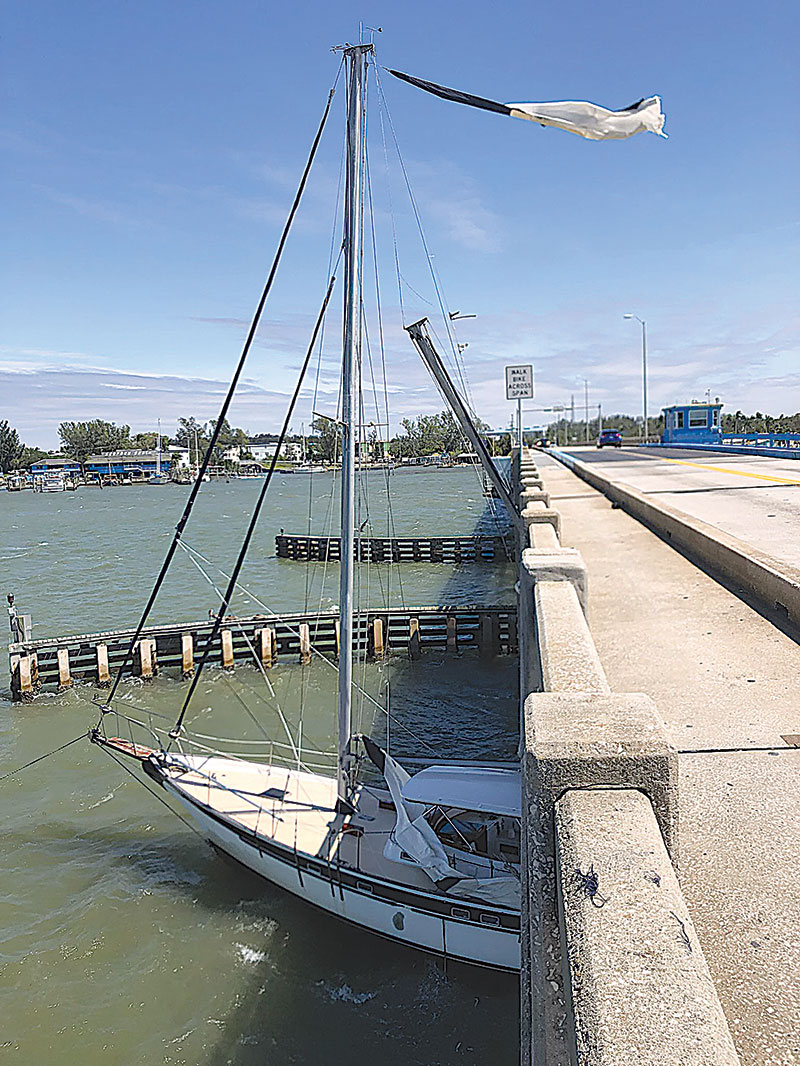
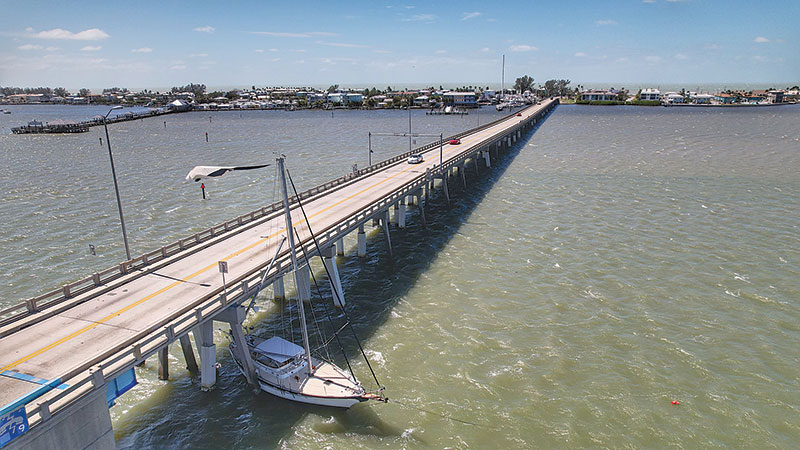
On and around AMI, there was severe damage to some mobile homes but mostly Ian downed signs, tore at shingles, tumbled trees and scattered fences.
So islanders began returning Sept. 29 and Sept. 30 to find little change from the day they left.
“Irma was much worse,” Anna Maria resident Shelby Joyce told The Islander Sept. 29. She wasn’t the only person to refer to a more locally impactful storm five years ago.
But islanders did deal with inconveniences of Ian — a lack of water and sewer upon their first return and a prolonged lack of electricity.
The county shut down water on the island to protect infrastructure and then restored water service Sept. 30, with a caution to boil water for 24-48 hours.
Lift stations, shut down ahead of the storm, also were powered up on the island Sept. 30.
Electric service was the continued concern into the weekend and on into the new week, as restored power was spotty in the three island cities.
Officials said while FPL worked on the system, generators were powering traffic lights at key intersections and more than 100 sewer lift stations countywide.
FPL, in a news statement, said it had more than 21,000 people, including mutual aid from 30 states, working around the clock to restore service.