




With colder weather and windy days, the inshore and offshore species of fish that inhabit the waters surrounding Anna Maria Island are getting a break from some anglers.
As the fish adjust to cooler water temps, we can expect the frequency of the bite to change and possibly we need to alter the bait we offer them. If water temperatures settle in around the high 60s to low 70s, anglers may be facing a question: Carry shrimp, shiners or both as bait?
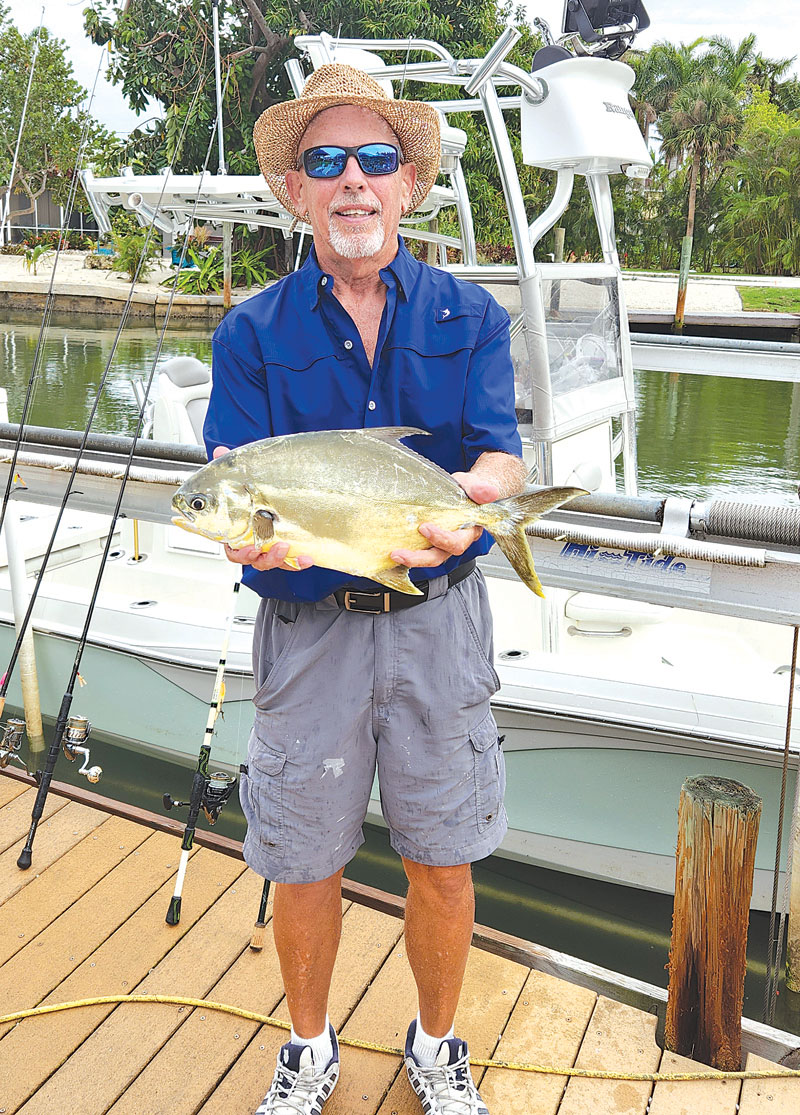
Carrying both is advantageous if you plan to target species such as redfish and black drum in the mornings and then switch to targeting snook with shiners once the flats warm up. Using shrimp as bait also opens the door to targeting other species — pompano and sheepshead, for example — which never take a shiner.
As water temps drop, you may find yourself steering off the shallow waters on the flats and heading toward deeper water, where structure and more consistent water temps exist. Using live pinfish in those areas is proving good for gag grouper, as well as large snook. Ultimately, with the drop in the water temp, paying close attention to the baits you’re using and the species to target all become more important.
Keep an eye on the water temps and try to carry a variety of bait.
On my Just Reel charters, live shiners are working on the flats for snook and redfish. I am noticing both species are on the move in anticipation of winter settling into the bay waters.
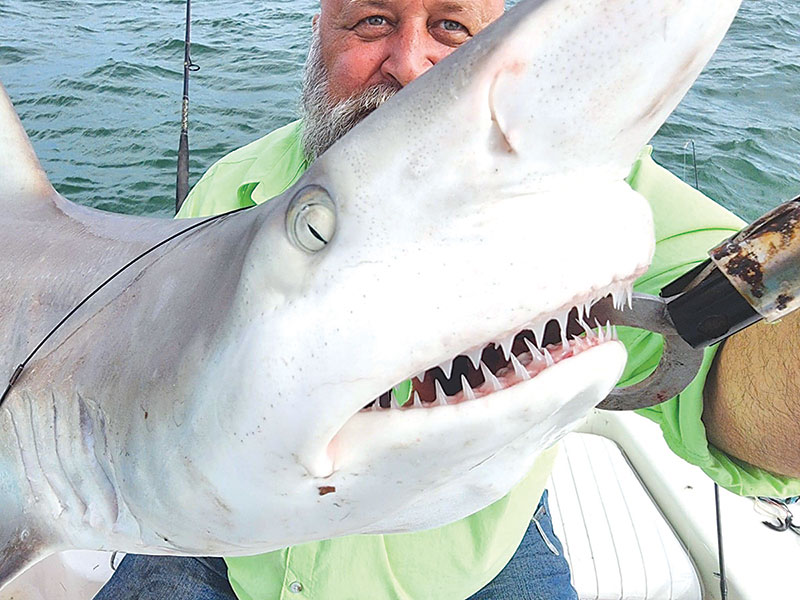
The same applies for spotted seatrout. We’re catching many of the bucked-toothed fish on the deeper flats, as well as some Spanish mackerel, ladyfish and jack crevalle.
Lastly, fishing with larger baits such as pinfish around structure is leading to action on gag grouper.
Capt. David White is concentrating his time on the water to target gag grouper. Areas where structure exists hold good numbers of the tasty, hard-fighting fish. Free-lining live pinfish in those areas is drawing the grouper out of hiding places to take a quick snack, resulting in some keeper gag grouper for White’s clients to carry home for dinner.
Switching to live shiners as bait is resulting in action — especially on Spanish mackerel. Free-lining shiners over the same structure as the gags is leading to sizzling mackerel action.
Capt. Jason Stock is enjoying targeting gag grouper throughout the inshore and nearshore waters surrounding Anna Maria Island. Due to rough seas and strong winds, the offshore waters are inaccessible, which brings on the opportunity to hunt gag grouper in the shallows. Stock says that free-lining live pinfish in areas with artificial reefs, wrecks and hard bottom is yielding many keeper gags on his trips, as well as some just under the legal limit.
Capt. Warren Girle is finding good results while working the flats of Sarasota Bay, where targeting snook and redfish on the flats near the mangrove shorelines is working well. Live shiners as bait are quickly being eaten by the shallow-water predators.
Moving to the deeper flats is having good results with seatrout, macks, jacks and ladyfish.
Finally, on days when the Gulf of Mexico is calm, Girle is finding action on kingfish when fishing waters with depths around 60 feet.
Jim Malfese at the Rod & Reel Pier says fishers using live shrimp as bait are catching a variety of species. Redfish, black drum and sheepshead are being caught, as well as a few mangrove snapper and snook. Casting small jigs and silver spoons away from the pier also is working for pier anglers willing to brave the chill. Species such as Spanish mackerel, ladyfish, jack crevalle and skipjacks are being caught.
Send high-resolution photos and fishing reports to fish@islander.org.