




With water temperatures back on the rise, Anna Maria Island anglers are unable to control their urge to get on the water and enjoy inshore and offshore fishing.
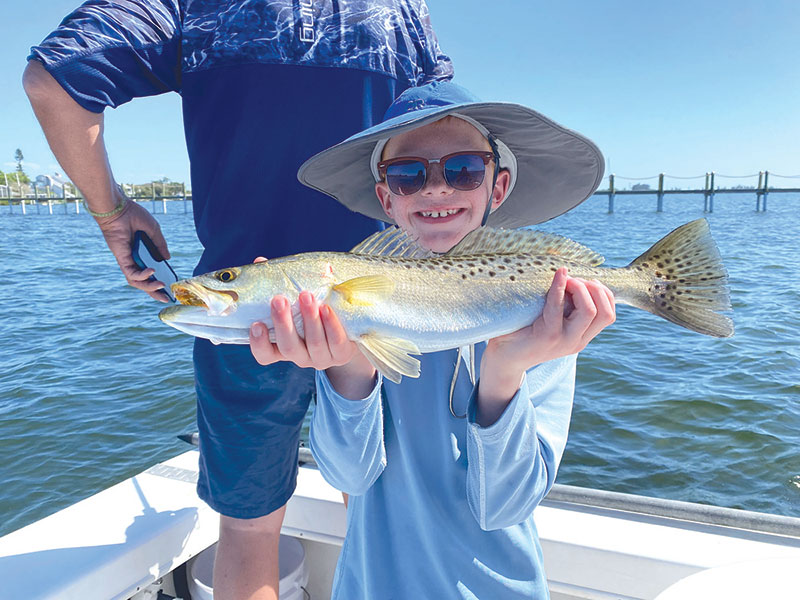
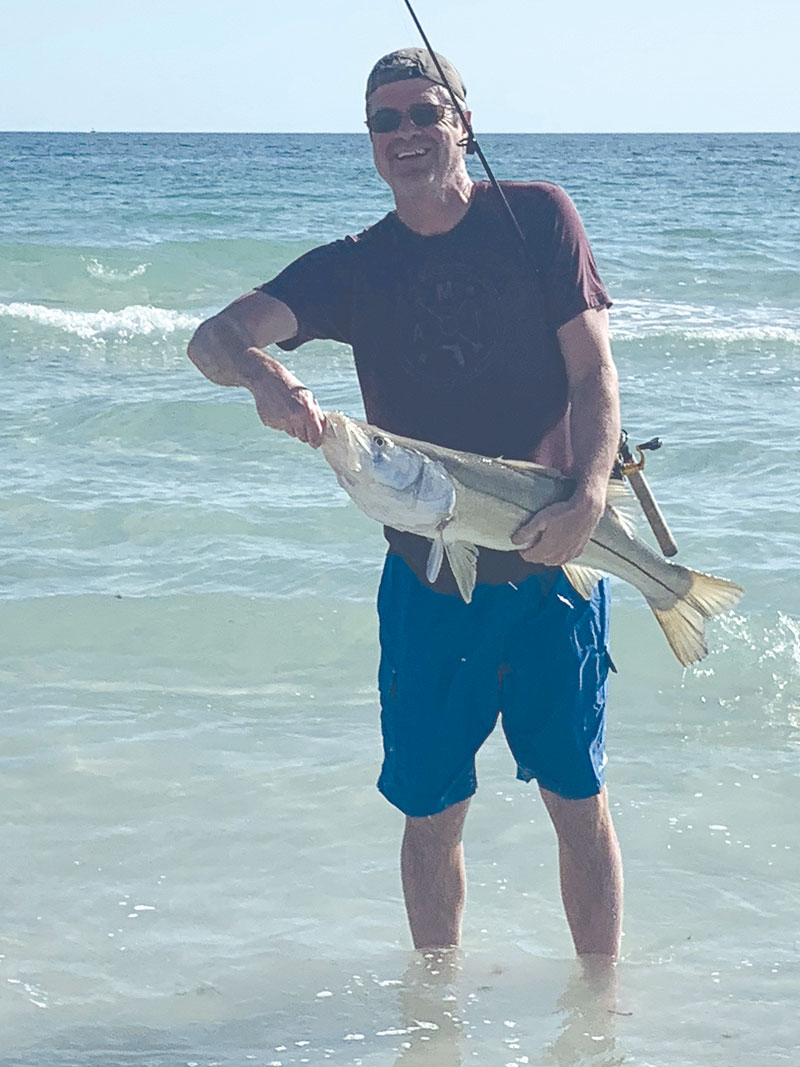
With the clear, emerald green waters reaching tolerable temperatures on the flats, fishing for snook, redfish and spotted seatrout is shaping up nicely.
The same applies for anglers venturing offshore in the Gulf of Mexico, as they are finding a variety of species to target, including permit, kingfish, blackfin tuna and bottom species — grouper and snapper.
Whether you’re in the back country or offshore, the fishing is fixing to get good. So plan your schedule accordingly.
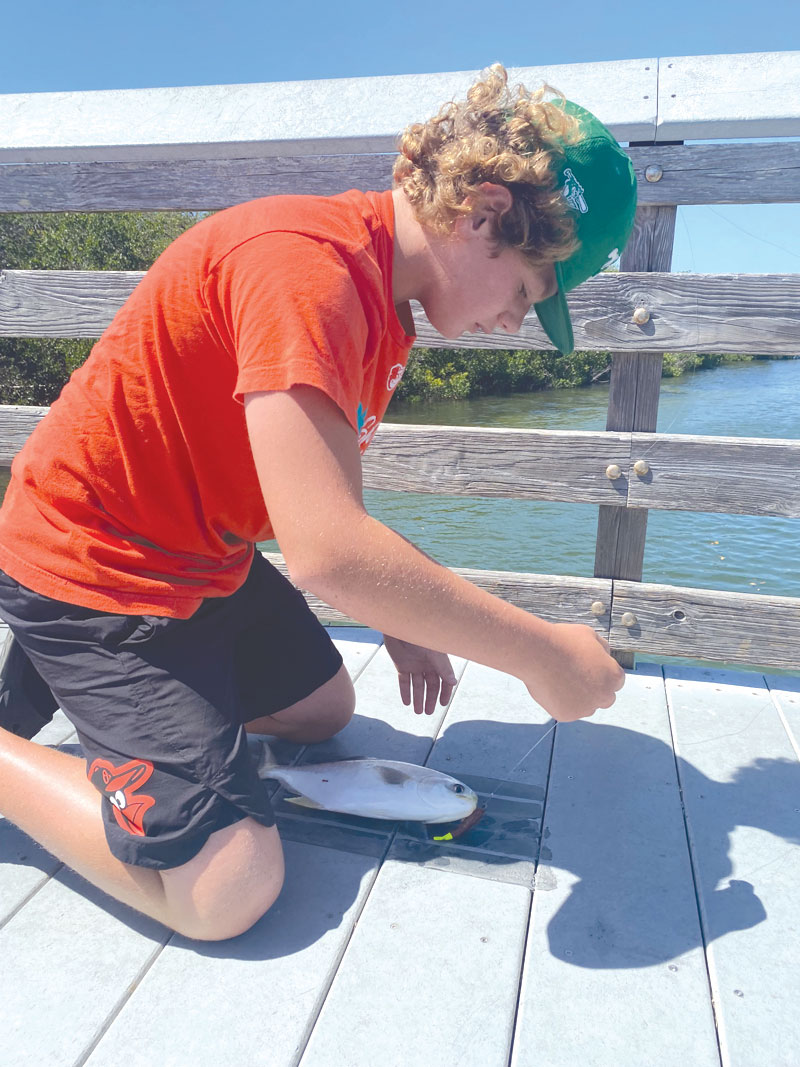
On the flats, a couple of techniques are proving successful. Drifting and jigging with soft plastics on a jighead is a great way to cover some water and locate schools of spotted seatrout. You can encounter ladyfish and jack crevalle in the mix, which adds excitement and mystery to the bite.
And, if you have some honey holes for your go-to spots, you could find the fish there are finally responding to live shiners as bait. Free-lining the baits is sufficient on most days.
If you’re rigged to free-line shiners, don’t forget to venture onto the shallower flats. Snook and redfish can be found lingering in these areas during the right tides. Casting baits along mangrove shorelines or at oyster bars can prove to be deadly for unsuspecting snook and reds creeping the flats in search of a meal.
Moving offshore, wreck and reef fishing will be on the rise in the weeks to come as the Gulf water continues to warm. Pelagics such as blackfin tuna and kingfish will be noticeable in these areas. You can expect to see amberjack and possibly some permit, too. As for bottom fishing, red grouper will be a top target, as well as varieties of snapper.
On my Just Reel charters, we’re seeing trout and snook fishing beginning to shape up as the recent cold snap’s impacts wears off. Both species are responding to live shiners as bait.
On the colder days just after the front, sheepshead were being caught on live shrimp. My clients also had redfish in the mix when casting shrimp around docks.
Capt. Jason Stock is getting offshore between windy days. Permit were the targeted species this past week with some nice specimens coming to the boat. Fishing around wrecks and reefs with live pass crabs as bait put Stock’s clients on permit in the 20-pound range.
On days when the wind is blowing too hard to venture offshore, Stock is focusing on a side project, the Full Send Reef Habitat. It’s a great cause with long-term positive effects on the horizon.
If you want more information on this, visit www.fullsendreefhabitat.org. Way to go, buddy. We need more habitat in the Gulf for our fish to have sanctuary.
Capt. David White is working inshore in Tampa Bay and adjacent waters — Anna Maria Sound and Sarasota Bay — to the south. On warmer days, especially during the afternoon tides, White is putting clients on the action on deeper grass flats where spotted seatrout are on the prowl. Free-lining live shiners or adding a split shot to the rig is resulting in respectable catches of these fish. On shallower flats, redfish are being caught on shiners.
On cooler days, White’s anglers are catching reds, although he’s switching them to live shrimp as bait and fishing around docks.
Lastly, large jack crevalle are being caught in random areas of Tampa Bay and along the beaches.
Capt. Warren Girle is finding action on the deeper grass flats of Sarasota Bay. Anglers are being shown a variety of techniques to utilize in these areas — ranging from live bait fishing to artificials.
On warmer days, the trout are responding to live shiners as bait. And on the cooler mornings, drifting and jigging is proving to be effective.
Snook fishing is on Girle’s agenda, especially as the waters are warming. He reports free-lining live shiners is working best for clients targeting the linesiders.
Lastly, on the colder days, Girle is baiting the hooks with live shrimp in the canals for redfish and black drum.
Send high-resolution photos and fishing reports to fish@islander.org.