





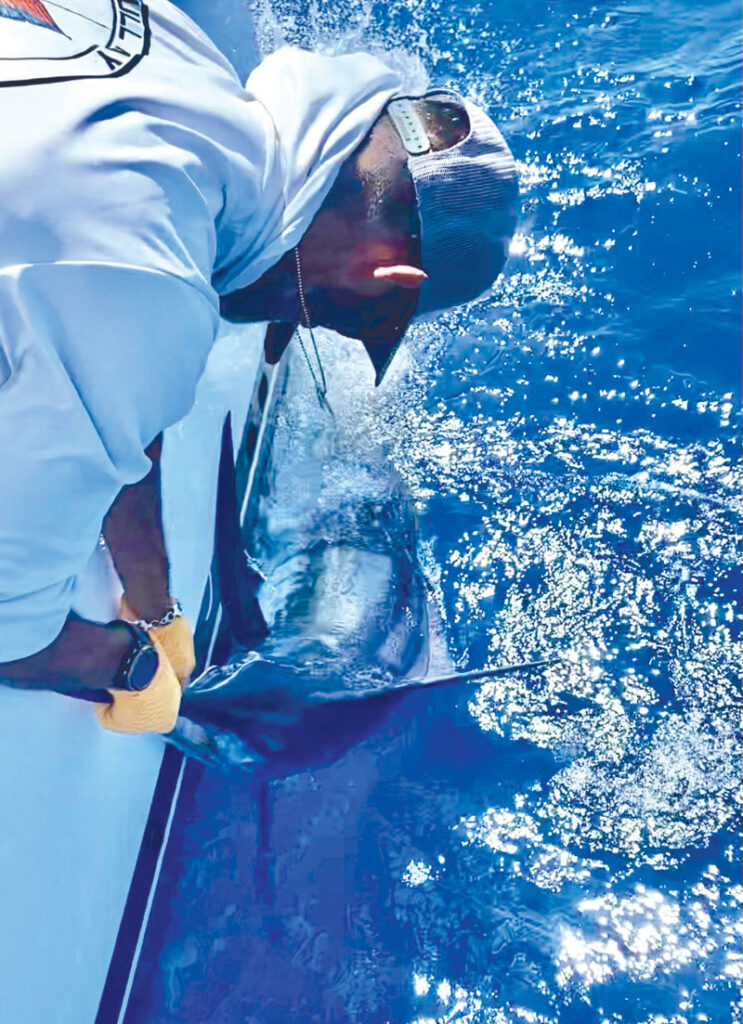
With minimal amounts of rain, Anna Maria Island fishers are out enjoying the crystal clear waters in the inland areas and in the Gulf of Mexico.
Fishing the artificial reefs and wrecks west of Anna Maria Island is beginning to gear up as migratory species — kingfish and bonito — are passing through the region.
Following those fish are plenty of sharks if you fancy hooking into a large predator.
Bottom fishing around structure in the shallower areas of the Gulf is yielding action. Mangrove snapper and juvenile grouper can be found. Try chumming to raise the snapper off the bottom for some great action on medium-spinning tackle. And, in the clear water, you can watch the snapper as they frolic through the chum, making them quite targetable.
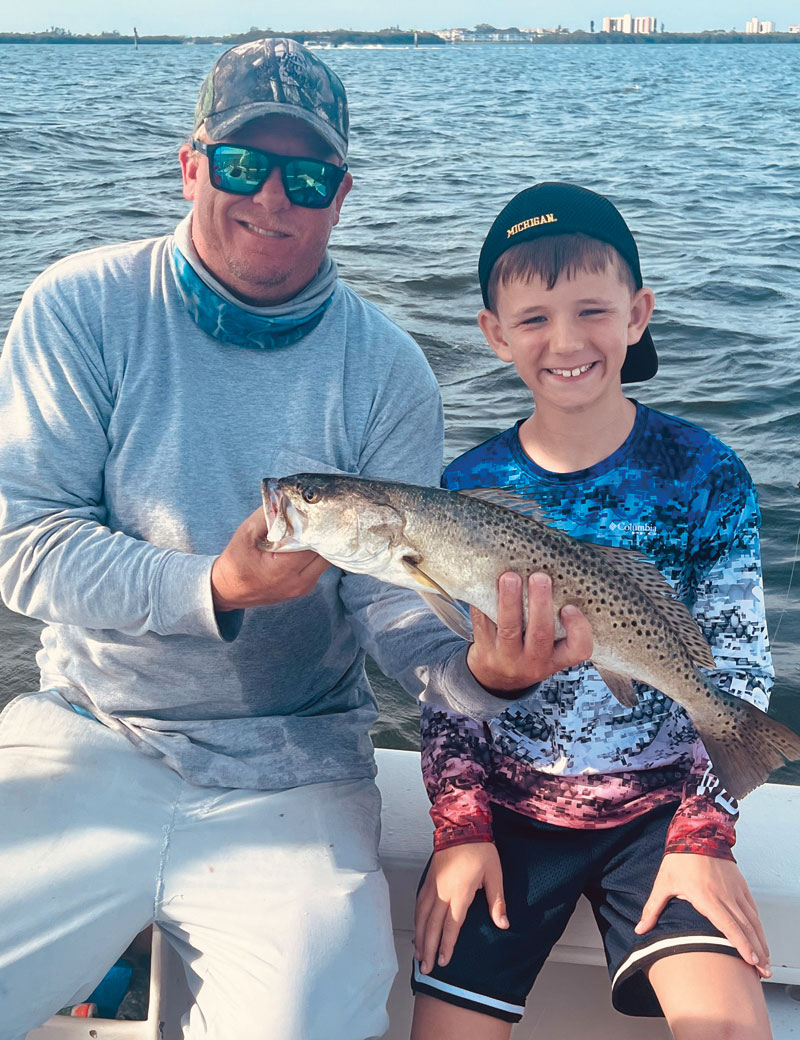
Moving inshore, the deep grass flats of Tampa Bay south through Anna Maria Sound to Sarasota Bay host a variety of fish. Spotted seatrout can be targeted while free-lining live shiners or small pinfish on the edges of the sandy potholes. Mixed in are some large rogue Spanish mackerel, as well as jack crevalle, ladyfish and bluefish. You might even encounter the blues following the trout on the end of your line, fiercely biting off its tail.
Targeting catch-and-release snook on the shallower flats is worth an attempt. I’m not seeing as many snook as in previous Mays but their numbers should improve as we near June. Redfish are following suit with most being found around mangrove shorelines or docks with deep water.
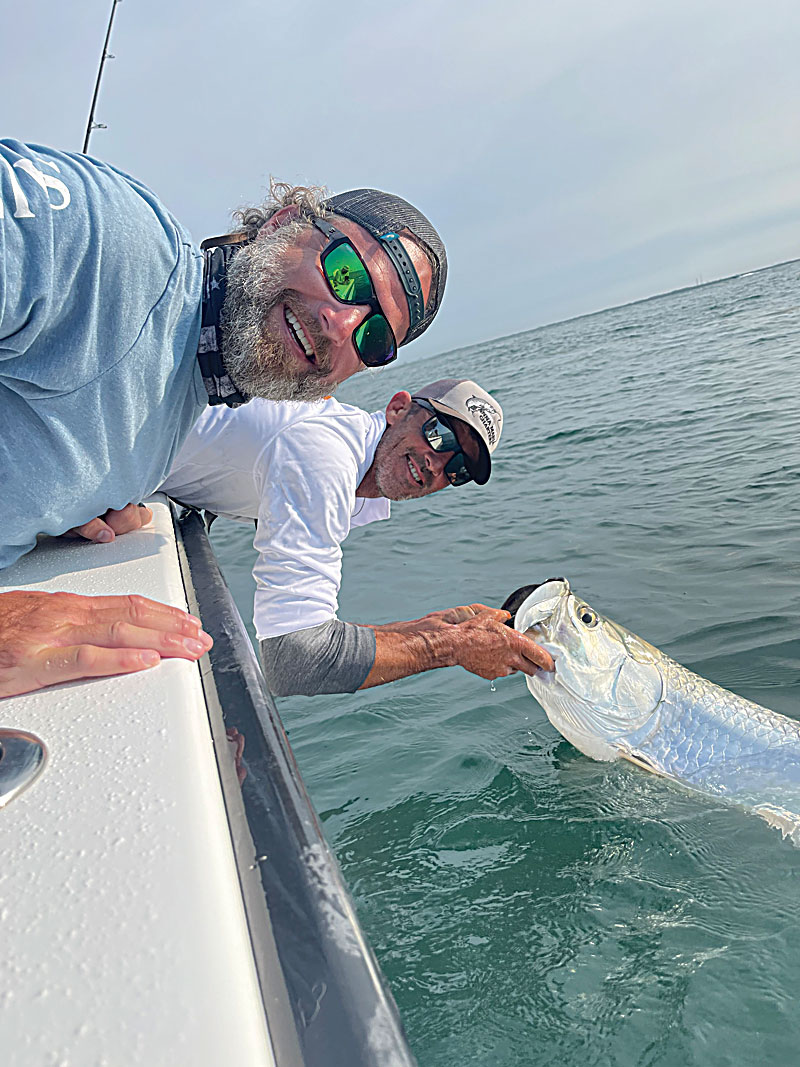
Lastly, a tidbit of advice. It’s time to dust off your tarpon gear. Numerous catches are occurring around the Sunshine Skyway Bridge, which means the “beach bite” is near.
On my Just Reel charters, I’m working the deeper flats of Tampa Bay, which is yielding great action on a variety of species. Spotted seatrout 14-22 inches are being caught consistently, although some days, the migratory species — macks, ladyfish and Jack crevalle — are moving in and dominating the bite. For most anglers, this is OK, as all of those fish are worthy adversaries on medium-spinning gear. And, on many occasions, they are a welcome sight, adding flash and variety to the bite.
Targeting sharks around the sandbars in Tampa Bay is entertaining. And, with an abundance of jacks and macks available, getting bait for the toothy predators is easy. Sight-casting to the sharks as they patrol the shallow sandbars is most exciting. On many occasions, my clients and I are watching them eat the bait, and it doesn’t get any better than that, y’all. For sheer excitement, the experience is a crowd-pleaser.
Justin McElroy at the Rod & Reel Piers says he’s seeing quite a variety of fish being caught while he spends his mornings covering for Jim Malfese, who’s staying home due to an injury.
Catch-and-release snook are beginning to take up residence under the pier as it’s a great spot to take a break and have a snack before heading toward the beaches to look for a mate. Pier fishers baiting with live shrimp and pinfish are hooking into snook of all sizes.
Mangrove snapper also have it made in the shade, as they congregate under the pier among the pilings, waiting for anglers to drop a perfectly placed live shrimp in front of their noses. The fish can be tricky, as their keen eyesight aids them in deciphering whether to eat the bait, so using the lightest fluorocarbon leader you can will help trick them into biting.
Migratory species such as mackerel and jack crevalle can be had as they pass by the pier. Casting artificials — silver spoons or speck rigs — is a great way to try your luck with these high-speed predators.
Lastly, the highlight of the week has to be tarpon. McElroy reports he’s seen numerous silver kings hooked and jumped, with a few actually staying on the line long enough to be dehooked on the beach adjacent to the pier.
Capt. Warren Girle is working the nearshore reefs, which is yielding a few different species. Kingfish are available in these areas, weighing in at 10-25 pounds. Free-lined shiners on a wire rig are working best.
Amid the kingfish are quite a few sharks, according to Girle, and they’re taking baits and even taking half a kingfish as it’s reeled to the boat.
Once the kingfish and shark action slows, Girle is chumming over the reefs to lure mangrove snapper out of their hiding places. This technique is yielding mangoes measuring 14-16 inches.
Moving inshore, Girle is finding action in Sarasota Bay on snook, redfish and trout, although he expects to be spending most of the next 4-5 weeks on the hunt for tarpon.
Capt. David White is spending his mornings inshore fishing around Tampa Bay.
Fishing over deep grass flats is resulting in a variety of species, including macks, bluefish, jack crevalle and spotted seatrout. All are responding to live shiners free-lined among chummers. The fish are worthy adversaries on medium spinning gear, especially the migratory fish — the macks, jacks and blues. As for the trout, their fighting ability and stamina pale to the other species, although their worthiness is proven on the dinner plate, where they are a favorite among inshore anglers.
After that bite does down, White is leading clients to shark-fishing, which is always a crowd-pleaser for anglers looking to pull on a big fish.
Send high-resolution photos and fishing reports to fish@islander.org.