




Is pink in our future?
In late August, Hurricane Idalia’s Category 3 landfall brought rain, wind and flamingos to Florida.
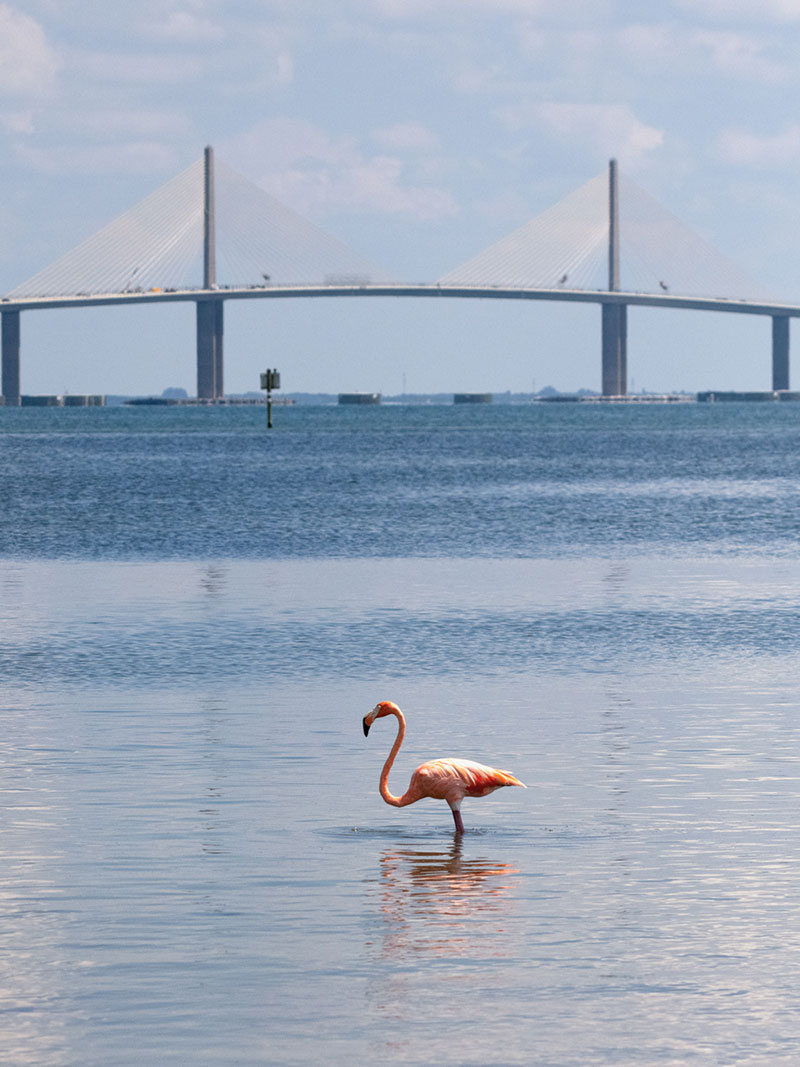
While many flamingos were reported on Florida’s Gulf coast after the storm, including in Manatee County, one bird was rescued and rehabilitated by the Seaside Seabird Sanctuary in Pinellas County.
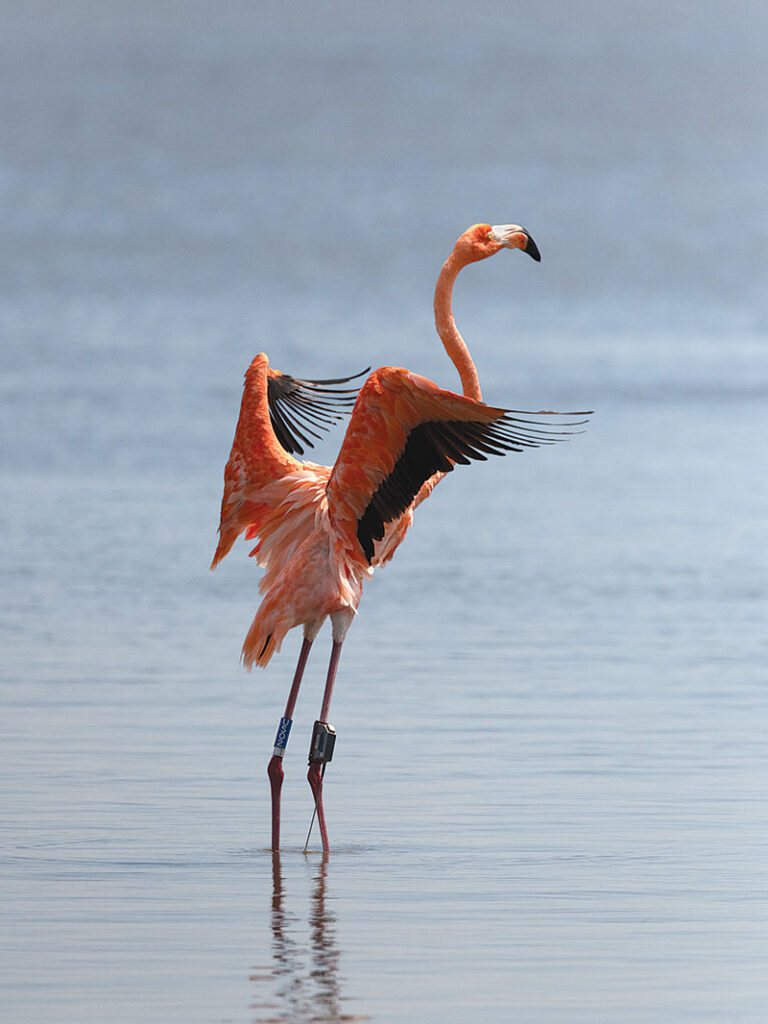
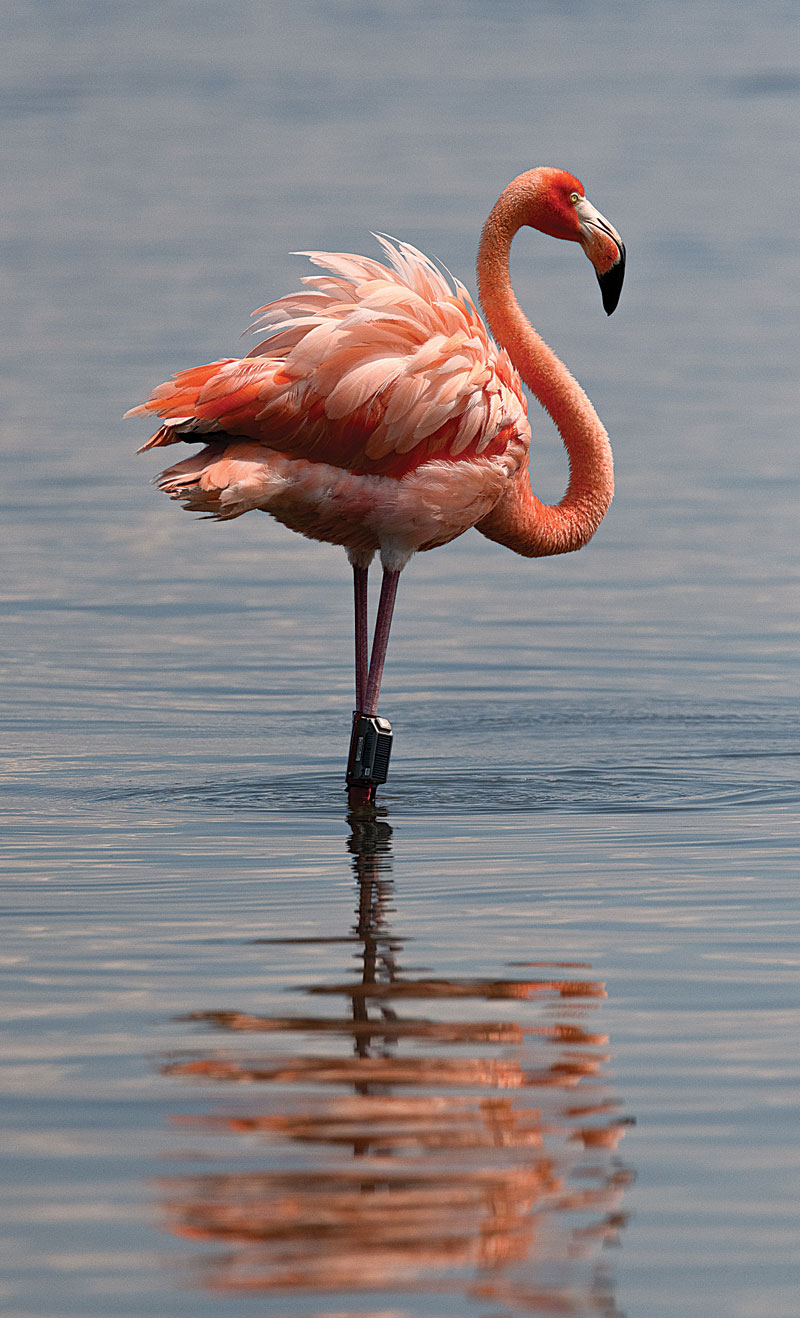
Prior to its release in Pinellas Sept. 9, Audubon Florida research staff tagged the bird with a geolocator that could provide them with clues about the movements and fates of the storm-blown birds.
The rehabilitated flamingo, known as “Peaches,” was rescued Sept. 1 in the Gulf of Mexico near St. Pete Beach by boaters.
Hospital staff at Seaside Seabird Sanctuary in Indian Shores determined the bird was in good condition but visibly exhausted.
After a day of rest and supportive care, the bird began self-feeding and, by week’s end, “Peaches” became much more active and vocal.
Audubon Florida’s director of research, Jerry Lorenz, recognized that Peaches represented a golden opportunity to learn more about flamingos and their movements in Florida.
The USGS Bird Banding Laboratory agreed and rushed approval to band and tag Peaches with a satellite transmitter before a return to the wild.
Peaches is now part of a unique study of flamingo movements between breeding grounds and Florida.
With the new tracking device, “Peaches” will add critical data to the research initiative.
Will the flamingos brought on the wind to area shores remain and breed here
If they return to the Yucatan and Cuba, will they visit in subsequent years?
Florida once had breeding flamingos year-round.
Might we again, with the protection and restoration of key habitat, including coastal wetlands, the Everglades and Florida Bay?
“We want these flamingos to stay and raise their families here,” Lorenz said. “If we give them their space, restore their habitat and keep their water clean, we can hope for a pink future in Florida.”
The Seaside Seabird Sanctuary team released “Peaches” Sept. 9 at Fort DeSoto Park, where other flamingos have been seen since Idalia.
The public is asked to give the flamingos space to rest and feed undisturbed. Photographers and other enthusiasts approaching too closely present a threat to their survival.