







With the latest cold front setting in bringing the coldest temperatures we’ve experienced this fall, Anna Maria Island anglers are transitioning to their winter pattern of fishing to find success on the water.
The use of live shrimp as bait is one change that will be occurring as the species we target as temperatures drop prefer eating shrimp over shiners.
Snook, redfish and trout will gladly eat a shrimp as these slow-moving baits are easily approached with minimal effort, which in turn helps the fish preserve energy in hopes of staying warm. And then there’s other eager species, such as pompano and sheepshead, which just don’t eat shiners, so shrimp is the obvious choice.
The same applies while fishing nearshore in the Gulf of Mexico. Many species we encounter will gladly take a shrimp offering and again, we’ll be encountering some species that prefer it — like hogfish. You can bet that snappers, grunts, groupers and flounder will also readily take a shrimp. In fact, on many occasions you should have a bite the moment your bait reaches the bottom. And if you don’t want to move to your next spot, the nearshore bite typically occurs quickly rather than having to wait.
And finally, you may want to experiment with locations while fishing the backwater in the bays and Intracoastal Waterway. Many inshore species will be migrating to sheltered areas to find warmer water, which means they may not be out on the open flats or tucked under the mangroves. Fishing residential canals or deeper water with more consistent temperatures may be in your best interest.
On my own Just Reel charters, I’m finding good action while fishing ledges and other structure in the Gulf of Mexico. Using live shrimp combined with a bottom rig, I’m seeing a variety of species being reeled up including mangrove and yellowtail snapper, hogfish, Key West grunts, lane snapper, porgies and plenty of juvenile groupers. This bite is keeping bent rods as just about every stop as well as giving the opportunity to bring quite a few fish home for dinner.
Moving inshore, the flats fishing is still quite good for snook, redfish and trout, although I feel that after this cold front, that bite may change. During high tides and the beginnings of the outgoing tides all three species are cooperating and fiercely talking live shiners as bait. All these species are being caught within the slot limits and, of course, the snook are being returned as they are out of season.
Capt. Johnny Mattay is finding action while working inshore on the flats and in the Gulf of Mexico around reefs and ledges. For the inshore bite, Mattay says targeting catch-and-release snook is proving to provide plenty of action during the higher stages of the tides. Snook of all sizes are being caught with some fish measuring slot-size, 28-33 inches.
Mattay says redfish are taking the bait in the same inshore areas as the snook are being caught. Sizes on the reds are varying with many being on the smaller size, although some larger catches up to 25 inches are available.
He also says spotted seatrout are good in numbers and are rounding out the inshore bite while fishing deeper grass flats in Tampa Bay southward to Sarasota Bay.
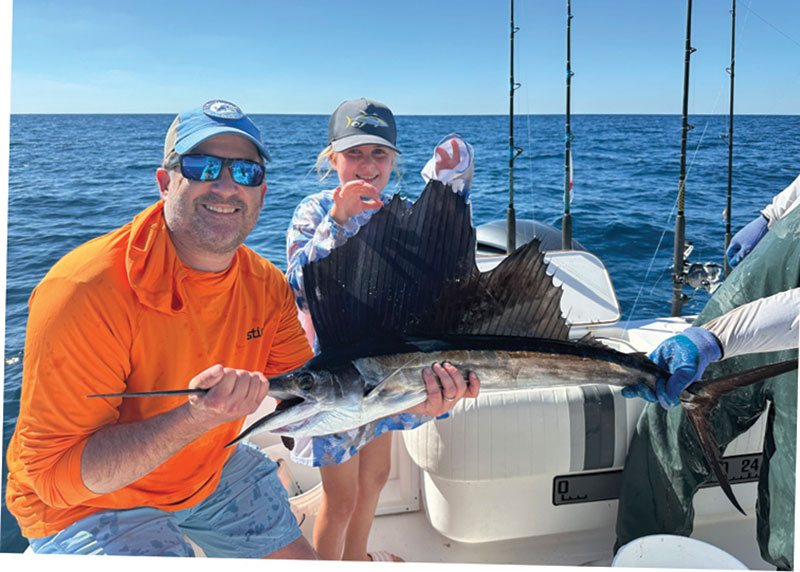
Moving into the Gulf of Mexico, Mattay says bottom fishing around ledges and reefs is producing a variety of species including mangrove snapper, Key West grunts, hogfish and plenty of catch-and-release gag grouper. Mattay suggests casting out a live bait on the surface as you never know what may cross your path. By employing this method, Mattay is sometimes putting clients onto a cobia as well as a rogue sailfish.
Capt. David White says redfish are being caught most frequently while working inshore throughout the waters of Tampa Bay southward to Sarasota Bay.
Casting live shiners around mangrove shorelines is leading to some good rallies on redfish with some nice examples of catch-and-release snook in the mix. Fishing docks, seawalls and other structure while inshore is leading White to quite a few redfish.
After catching snook and reds, White is putting clients on spotted seatrout on the deeper grass flats and in canals. Casting live shiners in these areas is leading to limits of trout without too much effort.
Don’t forget snook season closed Dec. 1 and remains closed until March 1.
Flounder season is back open until next October.
Send high-resolution photos and fishing reports to fish@islander.org.