






After the tryptophan and other holiday indulgences wore off, Anna Maria Island anglers found themselves emerging from a tranquil dream state with the urge to get on the water once again.
After a moderate cold front with some exaggerated gusty winds, many anglers were anxious to get out and see if the drop in water temperatures moved the fish or if they were holding fast in their typical areas.
When the seas are calm, a trip out in the Gulf to fish structure — reef, wrecks and hard bottom — is a good bet because the fish in deeper water seem to be less affected by the cold than those in the shallows.
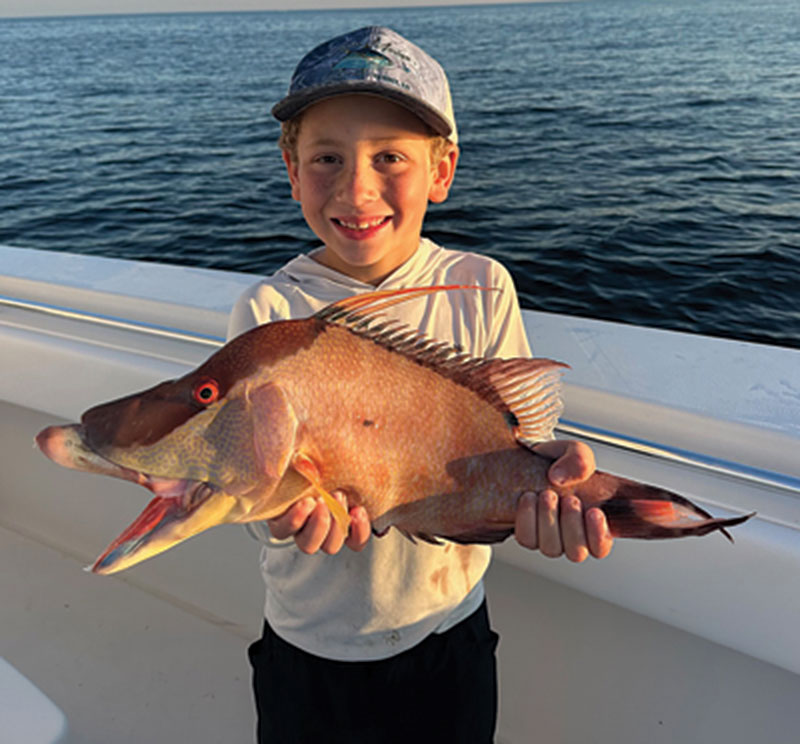
Live shrimp on a bottom rig can lead to plenty of action on species such as mangrove snapper, lane snapper, hogfish, porgies and grunts.
Another plus, flounder inhabit these areas, too, and their season reopened Dec. 1. Flounder need to be 14 inches in total length and there is a bag limit of five per person per day.
As far as fishing inshore goes, patience may be a virtue — at least until water clarity and temperature regain some normalcy. Fishing canals, back bays and creek mouths can be productive because these areas tend to be slightly warmer than shallow flats in open water.
Again, soaking shrimp as bait is a good bet, although when water temperatures improve, live shiners should prove worthy for some afternoon catch-and-release snook sessions.
Keep in mind, the harvest of snook closed Dec. 1 and reopens March 1, 2026, giving the fish a break while they try to maintain during cooler months.
Redfish and trout are available as their season is open year-round, making them targetable during the winter — if you know where to look.
Inshore fishing can produce action on species like pompano, sheepshead and black drum, which add variety on a cold day.
So, as we cycle through another Florida winter, there is plenty of good fishing to be had, as well as some mild temperatures and opportunities to target wintertime species.
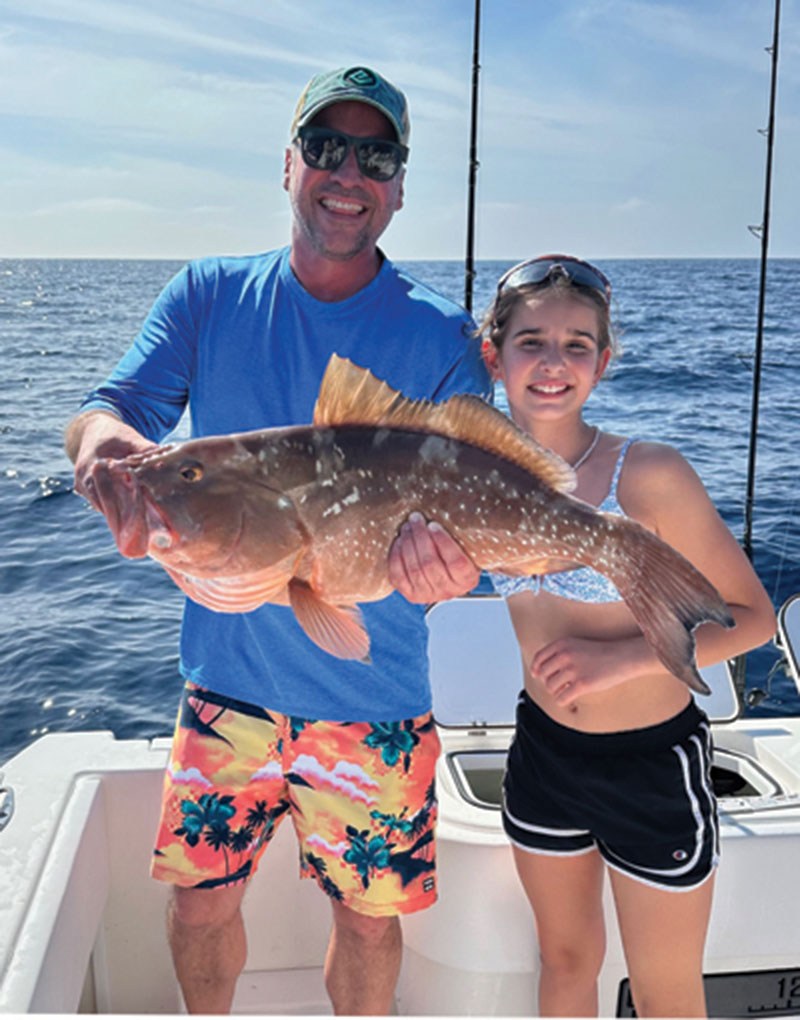
On my Just Reel charters, I’m finding consistent action while fishing nearshore in depths of 30-50 feet of water. Live shrimp combined with a knocker rig is leading to a variety of species, including mangrove and lane snapper, hogfish, porgies, scamp and Key West grunts. Numerous juvenile groupers of 15-20 inches are apparent in these depths, adding more variety to the bite.
Moving in closer to shore, in depths of 20 feet, Spanish mackerel are taking offerings of live shiners as bait. Jack crevalle, blue runners and ladyfish are mixed in, yielding some great sessions on medium spinning gear.
On the flats, redfish and catch-and-release snook are cooperating on warmer days when using live shiners as bait. On cooler days, casting shrimp around docks is producing some reds, as well as sheepshead, black drum and mangrove snapper.
Capt. David White says he’s finding plenty of action in the backcountry on reds and catch-and-release snook. Live shiners as bait are working on the warmer days and live shrimp on the cooler days are a good substitute.
Spotted seatrout also are cooperating for White’s clients. He’s finding fish for his anglers on the deeper flats where depths reach 4-8 feet.
Moving into the Gulf, White is impressed with the number of Spanish mackerel and kingfish his clients are catching. And, with the commotion caused by the macks and kings, you can bet plenty of sharks are getting in on the action. White is hooking into that bite, too, with blacktip sharks in the 4- to 6-foot range the most common.
Send high-resolution photos and fishing reports to fish@islander.org.