






Nearshore action in the Gulf of Mexico remains strong and Anna Maria Island anglers are looking to the west and finding an array of good bites.
Bottom fishing with live shrimp in depths of 35-60 feet of water is leading to a variety of species, most of which are perfect to dredge in batter and deep fry to a perfect golden brown.
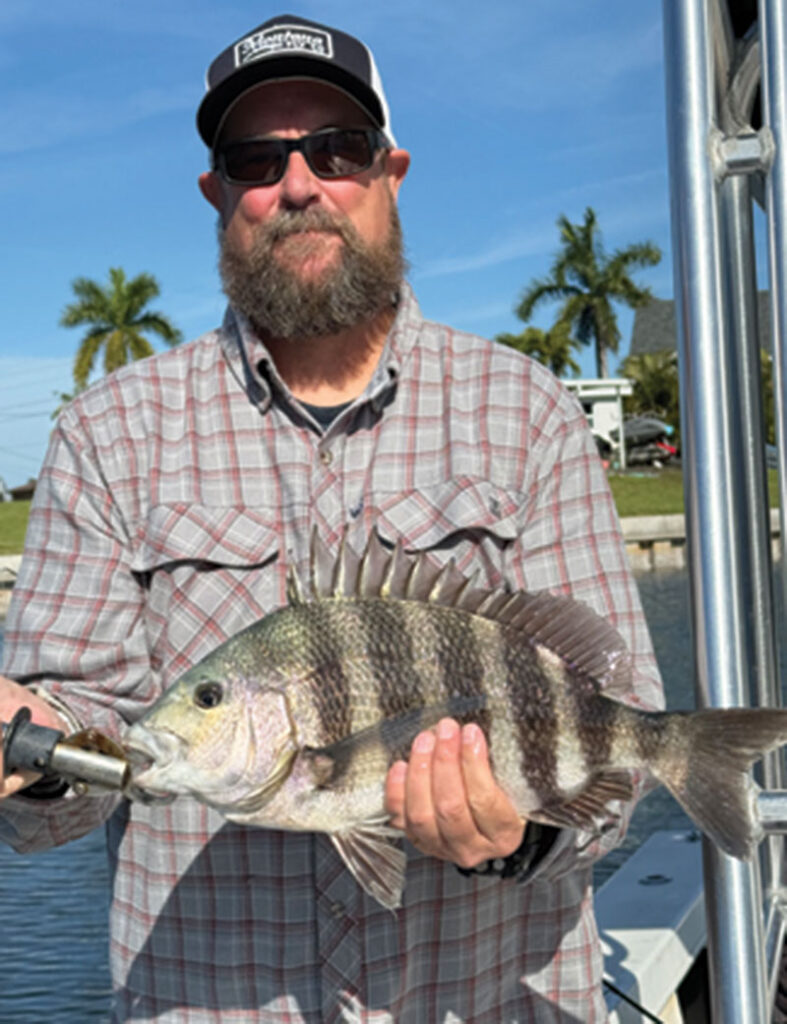
Hogfish are being caught in acceptable numbers, with plenty of other species, like Key West grunts, mangrove snapper and porgies to fill in the gaps. Flounder and sheepshead are being caught in the same areas, which adds to the mix and the quality in the cooler, as well as the experience for the angler.
In many instances, while fishing nearshore structure such as ledges, reefs and wrecks, the bite is frequent. In fact, many times the bait is eaten as soon as it reaches the bottom, providing an appealing experience to a range of anglers.
Using medium-spinning gear makes the bite even more exciting as most species on the hook are weighing in at 1-5 pounds. This makes the catch somewhat sporty, requiring a moderate skill level for the angler. Larger examples of hogfish, mangrove snapper and sheepshead can put up quite a battle on lighter tackle, which makes the catch more rewarding.
Moving inshore, redfish are a popular species to target. Most are being found around rocks and docks, although fish on the flats are producing good action. The use of live shrimp or live shiners as bait seems to work well, but it depends on water temperatures.
On cooler days, shrimp is a better option, but when targeting reds on the flats on warmer days, you may elect to try live shiners.
Sheepshead also are on the menu for the inshore bite. Live shrimp tossed around docks, bridge pilings, sea walls and inshore reefs are yielding numerous catches of sheepies, although many seem on the small side, which should improve in the weeks to come.
While targeting sheepies, you’ll also have a chance to catch black drum, flounder and mangrove snapper, adding variety to the catch.
On my Just Reel charters, I’m working nearshore and inshore, depending on the wind and tide.
On calmer days, venturing into the Gulf to fish ledges, wrecks and reefs yields a variety of species, including sheepshead, flounder, mangrove snapper, hogfish and Key West grunts. These fish aren’t the largest species in the Gulf, but they make good material for a fish fry. And, in many instances, the bite is consistent with bait being devoured within seconds of reaching the bottom.
Moving inshore, redfish and sheepshead are the main targets, with many fish found in canals and passes. Both are responding to offerings of live shrimp. Depending on location, mangrove snapper and flounder can be had on the inshore bite, as well as black drum, whiting and an occasional pompano.
Capt. Johnny Mattay has no complaints about the bite as he works nearshore in the Gulf. Using live shrimp or live shiners is leading to a variety of species well suited for a fish fry, he said.
Hogfish are a highlight of the nearshore bite due to their quality as tablefare and as an exotic catch.
Mattay said numerous hogs are being caught on a live shrimp in depths of 40-60 feet of water. Also, in these depths, his clients are reeling up mangrove snapper, flounder, Key West grunts and gag grouper. All species mentioned are in season except for the gags, which are catch-and-release.
Moving inshore, Mattay is finding pompano along the beaches and in the passes, and he’s finding sheepshead for his clients in the same areas.
Finally, fishing inshore around rocks and docks is yielding redfish, black drum and sheepshead.
Capt. David White is working the nearshore structure in the Gulf of Mexico on calmer days. He says species like mangrove snapper, Key West grunts and hogfish are being caught frequently, with porgies and groupers in the mix.
Moving inshore, White is putting clients on sheepshead, black drum and redfish around docks, as well as some of the inshore reefs.
On warmer days and in the afternoons, White is targeting catch-and-release snook in the backcountry around mangrove shorelines. Live shiners as bait are working to entice these sportfish to bite as long as water temperatures are in an acceptable range.
Send high-resolution photos and fishing reports to fish@islander.org.