





The last cold front of the season should be in the rearview mirror.
The recent cold front did all but shut down the bite for most anglers due to a drastic drop in water temperatures and strong northeast winds, causing rough conditions. But now that it has passed, it’s time to get out on the flats and get to work — or play.
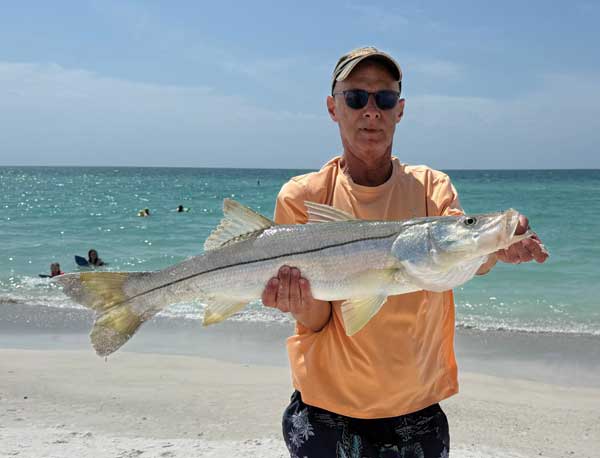
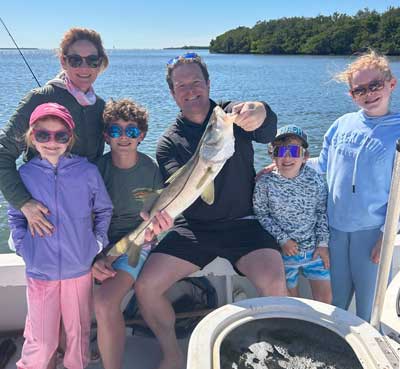
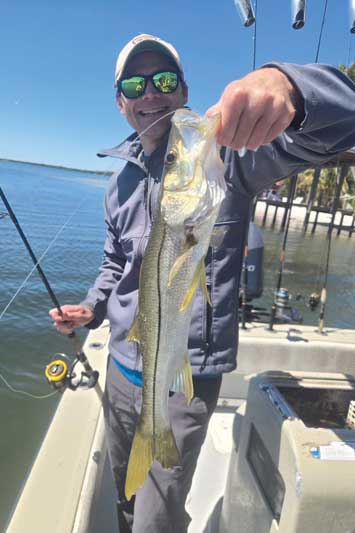
Snook are staging on the flats as they await bait schools so they can pack on the pounds lost over the winter.
Spotted seatrout are following suit as they are being found on the deeper grass flats near the passes and in Sarasota Bay.
Larger trout are being found in shallow areas where they compete with snook and redfish for a meal. Casting live shiners as bait works well to target these species, although using soft plastics over the deeper flats is proving effective for targeting trout. Redfish are being caught frequently and casting shiners or shrimp around deep-water docks is attracting fish of all sizes.
Fishing mangrove shorelines, especially where oyster bars exist, also works to find the reds.
Along the beaches and in Tampa Bay, schools of Spanish mackerel are popping up. Look for the bait schools and you’ll find the macks.
Fishing around the Sunshine Skyway Bridge fishing piers is a good bet as bait schools are thick there.
While fishing structure in the Gulf for mackerel, don’t forget to have a heavy rod ready for cobia, which will be frequenting the nearshore reefs and wrecks.
You may want to bring some live shrimp, too, because there are still a few sheepshead to be had around the reefs. Mangrove snapper and Key West grunts can also be found in these areas.
On my Just Reel charters, I’ve got to admit that fishing during the last cold front was a reality check. Although with rising temperatures and less wind, springtime fishing is back on the upward swing.
Flats fishing for snook is going well along mangrove shorelines from southern Tampa Bay through Sarasota Bay. I’m also seeing quite a few redfish in the mix, especially where oyster bars exist.
Targeting spotted seatrout in Sarasota Bay is proving to be good when the waters are clear and calm. Larger fish are being caught in the shallow flats, while smaller trout are in good numbers over the deep flats. I’m also seeing ladyfish mixed in over the deep flats.
On the beaches and in the passes, casting shrimp-tipped jigs is yielding a few pompano, although I am not yet seeing any rallies.
Capt. David White says thanks to the recent cold front, he’s still catching a fair amount of sheepshead while using shrimp as bait. Casting around structure, such as docks, rock piles and oyster bars is leading to numerous sheepies as they finish their spawning season.
Moving to the flats, White is casting live shiners as bait, which works well on snook and redfish. Both species are responding to free-lined baits when cast along mangrove shorelines and oyster bars.
Spotted seatrout are being caught on the live shiners. White says drifting over deep grass flats or in deep-water canals is yielding keeper-size trout, as well as some fish exceeding the maximum limit of 19 inches.
Send photos and fishing reports to fish@islander.org.