





Animals live by their instincts and loggerhead sea turtles are no exception.
“We were amazed to see how many nests hatched just before the storm,” said Suzi Fox, Anna Maria Island Turtle Watch and Shorebird Monitoring executive director. “They can sense the pressure drop, just like we do, and it leads to early hatches.”
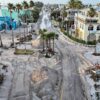
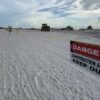
On Aug. 31 and Sept. 1, Hermine — at the time a tropical storm — dumped more than 4 inches of rain on Anna Maria Island as it made its way through the Gulf of Mexico to landfall in north Florida early Sept. 2. High tide on Anna Maria Island was over 2.5 feet, higher than normal, pushing water up to and beyond the dune line on the island.
When a powerful storm causes increased rainfall and higher tides, sea turtle nests lining the beach are washed over by the high surf and most are filled with water. They are considered “wash-outs” and eggs and hatchlings inside most likely do not survive, said Fox.
Sea turtle eggs absorb water and hatchlings can drown before they are ready to emerge.
Safety of AMITW volunteers during a storm is the most important factor, according to Florida Fish and Wildlife Conservation Commission regulations, and local volunteers do not conduct their daily beach surveys until after a storm passes.
In anticipation of Hermine, Fox and AMITW volunteers surveyed the beach at sunrise Aug. 31 and excavated any nests that had previously hatched.
AMITW excavates — digs into — a sea turtle nest to determine how many eggs are in the nest and if any live hatchlings remain for release.
Under normal conditions, AMITW waits 72 hours to excavate a hatched nest. But in situations such as high rain or intrusion by predators, they excavate the nest early.
On Aug. 31, AMITW section 7 coordinator Kathy Doddridge and Jenny Oelfke split their section walk and looked for nests that had been washed over by rising water.
When they found a nest that had hatched the night before behind the Gulf Drive Cafe, 900 Gulf Drive N., Bradenton Beach, they began the excavation.
What they found was amazing to them.
Doddridge dug into the nest, discovered the egg cavity and found 82 hatchlings waiting to make their way to the Gulf of Mexico.
“If they had remained, they surely would have drowned,” Doddridge said. “What a wonderful feeling to know we rescued them.”
Fox determined they should be removed for later release to the water.
The Gulf Drive Cafe provided a bucket to contain the hatchlings.
This wasn’t the only nest to hatch early.
According to Fox, more than 2,000 hatchlings emerged from their nests and made it to the Gulf before Hermine brought wind, rain and high surf to the island.
It is yet to be seen whether any of the remaining nests will hatch, but AMITW already has reported a record breaking-nesting season.
AMITW reported 438 nests and 14,997 hatchlings to the Gulf as of Aug. 28.
“We’ve done everything we can for now and our glass is full to the brim and over-flowing with goodness,” said Fox. “While we were safe in our homes, the turtles are safe in the ocean.”
For more information about sea turtles, contact Fox at suzilfox@gmail.com or 941-778-5638.
‘Hands off’ sea turtle hatchlings
A reminder on the heels of Hurricane Hermine: The Florida Fish and Wildlife Conservation Commission advises that “hands off” is the best policy for beachgoers who come into contact with hatchlings.
Sea turtles should be viewed from a distance.
Even a well-intended attempt to rescue a hatchling could result in harm to the turtle, according to the FWC.
Tampering with a sea turtle nest and picking up a hatchling for a photo opportunity are against the law.
People are asked to call the FWC’s wildlife hotline, 888-404-3922 or *FWC or #FWC from a cellphone, to report hatchlings that are stranded, wandering in a parking lot or road, wandering away from the water, or are dead.