
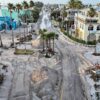





Disaster relief officials emphasize that residents in the Atlantic hurricane zone must look ahead and prepare by reviewing emergency plans and restocking supplies.
Here is a primer for before, during and after hurricanes and tropical storms.
Get ready
- Check supplies of boards, tools, batteries, nonperishable foods and other equipment.
- Stock survival kits and make sure they include medicines, blankets, pillows, sleeping bags, flashlights, a portable radio, clothing, folding chairs, cots, personal items, games and toys, records and important papers.
- Plan for where to go in an evacuation, considering friends and family on the mainland.
Get set
When advisories list Southwest Florida as a threatened region, pay attention to weather broadcasts and:
- Fill vehicles with fuel and be sure to check the oil, tires and wiper blades.
- Collect the survival kit.
- Stock up on drinking water. Bathtubs, jugs, coolers, bottles or pots can be used, or buy bottled water.
- Stock up on nonperishable food. Check to make sure you have a manual can opener.
- Check battery-powered equipment. Hurricane experts caution against candles due to the threat of fire.
- Stock up on cleanup materials: mops, buckets, towels, cleansers, protective gloves and the like.
- Make arrangements for pets. Pet-friendly shelters will open in Manatee County, but animals must have shots and paperwork and stay in carriers or kennels.
If hurricane advisories list Southwest Florida as a possible landfall for a hurricane: - Board all windows.
- Bring indoors patio furniture, potted plants, lawn ornaments. Secure unmovable outdoor objects.
- Be prepared to leave. Hurricane authorities predict it will take 12-17 hours to evacuate the island.
- Watch or listen to local news broadcasts for shelter openings.
Get gone
If officials order an evacuation:
- Leave swimming pools filled, super-chlorinated and covered.
- Turn off electricity and water on the property.
- Turn off gas valves at any appliance, not at the main valve.
- Let friends and relatives know where you’re going.
- Check with neighbors to make sure they have a ride out of the area.
- Leave.
Get back
- Be patient. Access to damaged areas will be limited. Trees and power lines may block roads and emergency crews will need time to remove them.
- Expect security checkpoints and make sure you have valid identification showing your local address.
- Do not drive unless you must and don’t sightsee. Roads and bridges should remain clear for emergency vehicles.
- Avoid downed or damaged electrical wires.
- Beware of snakes, insects and animals that may have sought higher ground to avoid floodwaters. Wear protective gloves and boots.
- Enter your home with caution. Open windows and doors to let air circulate and dry out the house.
- Be cautious with fire until you have checked the area thoroughly for gas fumes and take care to use a generator only as directed in the instructions.
- Assess and photograph damage to structures and contents to hasten insurance claims.
- As soon as feasible, report any broken power, water, sewer or gas lines to authorities.