





With moderately strong winds prevailing for consecutive days, Anna Maria Island anglers are migrating to calmer waters in the back bays and Intracoastal Waterway.
And with water temperatures warming up between fronts, targeting catch-and-release snook is possible in the shallows, especially around mangrove islands during afternoon tides.
The use of live shiners as bait is working as we approach spring — officially March 20. Many anglers claim the shiners work best during the afternoon and evening tides, when the water on the flats has had its fullest potential to warm.
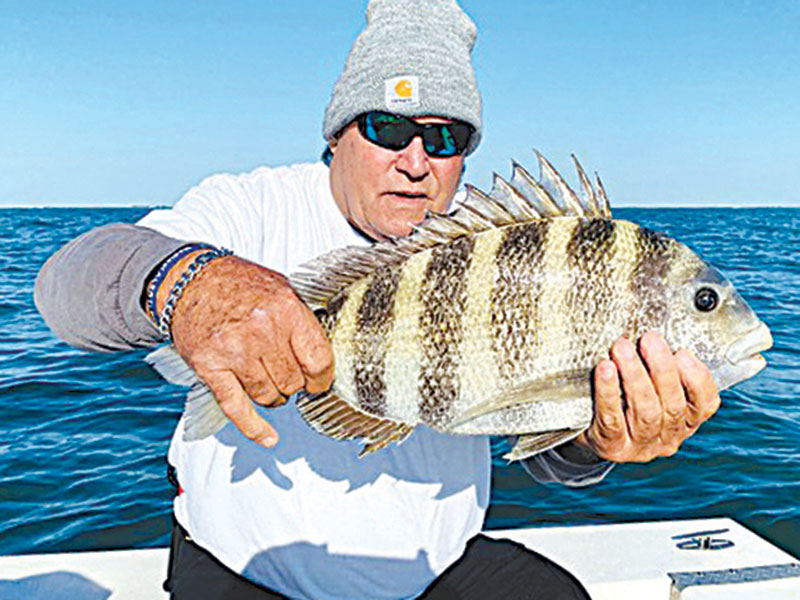
Taking shelter from the winds also can be attained by fishing canals and docks. In these sheltered areas, redfish, black drum and sheepshead can be caught. When targeting these species, you’ll need to switch to live shrimp as bait, as all of these fish find crustaceans delectable.
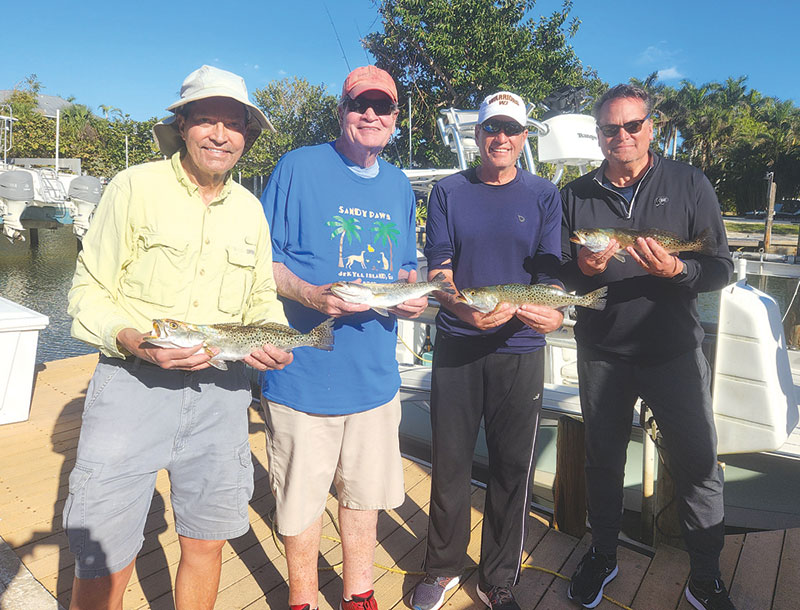
Drifting and digging in the deeper grass flats in calm areas of the bays also is producing action. Casting soft plastics on a jig head or small jig heads tipped with shrimp works well for spotted seatrout. This method of fishing also is productive for a number of other species, including pompano, jack crevalle and ladyfish.
Lastly, no matter how hard the wind is blowing, you can meander out on the Rod & Reel Pier and try your luck at sheepshead. These tasty fish are beginning to show at the pier and they can’t wait for you to dangle a plump shrimp or fiddler crab in front of their nose.
On my Just Reel charters, I’m targeting a variety of species depending on where the wind places me throughout our local waters.
On calmer days, getting into Tampa Bay is good for sheepshead. On windier days, trout fishing with DOA Cal jigs is putting a bend in the rod for my clients. Mixed in with the bite are ladyfish and a few pompanos.
On super windy days, I’m working the docks in the canals and there’s plenty to catch.
For yet another week, Capt. Jason Stock reports great action while fishing offshore for African pompano. In depths of 100 feet or more, Stock is putting clients on many of the exotic fish, which are weighing in at 20-30 pounds. Not only do these fish put up a heck of a fight but, on the dinner plate, they are considered a delicacy.
While targeting the APs, Stock is hooking into amberjack — equal in ferocity, but not as highly esteemed on the plate. Other catches offshore include mangrove snapper, yellowtail and vermilion snapper, as well as an ample amount of red grouper.
Sydnie NeVille at the Rod & Reel Pier says she’s seeing many sheepsheads being reeled up throughout the morning and into the afternoon. Pier fishers using live shrimp as bait are catching near limits of these tasty wintertime fish. In fact, NeVille says she’s even seeing limits of fish caught by some the pier regulars, those who have the bite dialed in.
While targeting sheepshead, pier anglers are hooking into an occasional redfish or black drum.
Fishers opting to use small jigs or silver spoons are hooking into Spanish mackerel on days when the bait schools are present.
Finally, evening hours around the pier show the potential to catch a shark. A large bull shark is a recently reported catch — released unharmed — at the R&R.
Capt. Warren Girle is casting shrimp around docks that provide sanctuary from strong winds and, as a bonus, some nice catches — black drum, sheepshead, redfish and mangrove snapper are a few of the usual suspects. Moving out into the open waters of Sarasota Bay, Girle is using jigs tipped with shrimp to target pompano and trout. Both species are responding to the jig, with the spotted seatrout being the most frequent bite.
Capt. David White is working along the beaches with live shrimp as bait. As a result, he’s putting his clients on redfish, black drum, sheepshead and an occasional pompano.
For a more consistent bite on sheepshead, fishing wrecks, reefs and other structure is working well for White’s charters.
In the afternoons, when the waters on the flats are warmer, White is switching to live shiners as bait, Lending to seatrout and snook for the anglers onboard.
Send photos and reports to fish@islander.org.