






With water temperatures in the upper 80s in the Gulf of Mexico and up to 90 degrees on the shallow flats in inshore waters, you can bet getting out on the water early is on the minds of Anna Maria Island anglers.
When fishing inshore on the flats, it’s advantageous to get out early, before the water temperatures climb too high for fish to be active and feed.
You’ll want to look for other factors, such as good tidal flow where clean, clear water exists to find the best action.
I’m starting to see decent-sized clumps of Lyngbya floating on the surface, an indicator that water temps are high.
Gumbo — as we call it — can pull oxygen out of the water when in the shallows, causing fish to vacate the area. This, combined with a discoloration of the water, is far from the perfect combo to find fish. So if you notice these conditions on your flats fishing excursions, it’s best to move on until you find better water. You’ll probably notice you’ll find better action. too.
Areas congested with gumbo will appear to be void of sea life, including birds, manatees and even mullet. If those animals are gone, you can bet the fish you’re targeting will be gone, too.
To alleviate this problem, many anglers are moving into the Gulf of Mexico to find their prey. Catch-and-release snook are appearing in the shallows along the Gulf beaches and in the passes, which makes them quite targetable as they can be seen.
Spotted seatrout and redfish are being found in the same areas, as well as in the passes where clean water and good tidal flow are found.
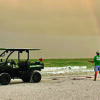
Of course, if you’re fishing the beaches, you’ll want to be there early, before the sunbathers and swimmers arrive and get in your way.
And for those of you fishing offshore in the Gulf, you may find yourself venturing to slightly deeper water, where cooler temperatures exist. Bottom fishing for grouper and snapper is a good idea in these conditions. You might encounter pelagics such as cobia, kingfish and blackfin tuna if you find the right reefs and wrecks to drop your baits.
If you’re fishing in the heat, don’t forget to have plenty of water or other liquids to drink to stay hydrated. The heat is no joke. So take it seriously. Cover up as much as you can and try to have some shade to retreat to from time to time as dehydration can ruin your day and, not only will it ruin your day, it’s hard to recover.
On my Just Reel charters, I’m trying to fish the early morning tides to beat the heat. Spotted sea trout are cooperating when being targeted over deep grass flats where the water and tidal movement are cooperating.
Free-lining live shiners in these areas yields plenty of slot-sized trout, as well as a variety of other species, including Spanish mackerel, ladyfish, bluefish, jack crevalle and small sharks. Mangrove snapper are appearing on some of the flats, adding another species you’ll want to put in the cooler.
Targeting redfish and catch-and-release snook is an option, although with water temps on the flats close to 90 degrees, timing is everything. Finding the right amount of tidal flow combined with clean water to coincide with fish that are ready to feed is key to success.
Capt. David White is spending his mornings and every other bit of daylight patrolling the beaches for tarpon. Early mornings, he says there’s action before sunrise, yielding at least a few hookups while using live crabs as bait. This bite typically is a quick one as the tarpon seem to find comfort during the low light conditions, which makes them more apt to take a bait.
After sunrise, White is switching to live threadfin hearing as bait, which works well as long as anglers are patient and can position their baits properly in front of the fish. Average sizes are 80-100 pounds on the silver kings with larger fish mixed in.
Capt. Johnny Mattay says offshore fishing is quite good, especially with the many days of light wind and calm seas that we are experiencing. Bottom fishing for red grouper is a crowd-pleaser for Mattay as limits of the fish are frequent. Mattay also notes that many snappers of all varieties are being caught offshore. American red snapper season opened for recreational charters June 1, so you can bet those are included in the offshore limit. Mattay adds that June is the only month this year where both red grouper and American red snapper can be harvested simultaneously.
Offshore fishing for pelagics is good, according to Mattay, with catches of kingfish, cobia, mahi and black tuna occurring over reefs and wrecks.
Moving to the shallow water within several miles of shore, Mattay says mangrove snapper are hitting good for his clients, as well as catch-and-release grouper. Cobia and kingfish are also in the June mix.
Finally, Mattay is targeting tarpon between his offshore excursions which is going well. Most catches are 80-120 pounds.
Send high-resolution photos and fishing reports to fish@islander.org.