






As we settle into the fourth week of September, some Anna Maria Island anglers are asking, “Did the fall equinox affect the fish?”
Although the equinox, this year’s occurred Sept. 22, doesn’t directly impact fish, it can indirectly affect fishing conditions by introducing shorter days and cooler temperatures.
As you know, the fall equinox occurs when the sun crosses directly over the equator, resulting in equal hours of day and night. The equinox also marks the beginning of shorter hours of sunlight as the Northern Hemisphere approaches winter.
And, as of Sept. 19, we have seen cooler weather, especially at night, yielding cooler water temps that should be triggering a reaction in the species we are targeting in the back country.
Species that have taken temporary residence along the beaches and passes for the summer to spawn, like snook, are now in feeding mode. For the linesiders, fewer daylight hours trigger their senses for cooler weather in the not-so-distant future. You may witness schools of snook crashing large bait schools along the beach as they prepare to make their migration to the flats, where they will stage up for one last buffet before winter begins and they retreat to warmer waters in back bays, creeks and canals.
Other species, like trout and redfish also are transitioning as daylight hours decrease. Many trout will be following the bait schools throughout the bays and the Manatee River as they gorge in preparation for winter. And redfish can be found in large schools on the shallow flats as they prepare in great numbers to spawn.
The bait seems to be a common denominator in all this, so keep in mind that with the presence of multitudes of bait, migratory predators like Spanish mackerel, ladyfish, jack cravelle and bonita should be frequenting these areas as they follow the bait in and out of Tampa Bay.
Also, apex predators — blacktip, sandbar and spinner sharks — will be prevalent in our nearshore and inshore waters as they look for a meal and follow the macks and bonito.
So, to answer whether the fall equinox impacts fishing, yes.
We should see explosive action and excellent fall fishing in the weeks to come. And, with cooler air temps and water temps, being out on the water for extended periods should be more pleasurable.
On my Just Reel charters, I’m noticing greater numbers of snook while working the flats around mangrove edges and oyster bars.
The fish seem to be more feisty compared to those caught a few weeks ago, when water temperatures were warmer. Once hooked, the snook are jumping numerous times and producing long drag-screaming runs.
Spotted seatrout are quite abundant, although I feel that as daylight hours decrease they are dispersing slightly, causing them to be more elusive.
Schooling reds are being found on open grass flats and along mangrove shorelines. The fish on the open flats are being caught in good numbers, while the fish along the mangroves are more of a random bite.
Also, migratory fish such as mackerel, blue runners, ladyfish and cobia are being caught along the Gulf beaches where they’re running with the bait schools and feeding around structure.
Capt. David White reports that he’s finding plenty of action for his charter customers on snook and redfish while working the beaches, passes and back country of Tampa Bay.
He says live free-lined shiners work best as bait for the snook.
As for the redfish, small live pinfish or fresh-cut chunks of ladyfish are producing action.
Spotted seatrout are being found over deeper grass flats and are readily taking his anglers’ offerings of live shiners under a cork. Macks, jacks and ladyfish are mixed in with this bite.
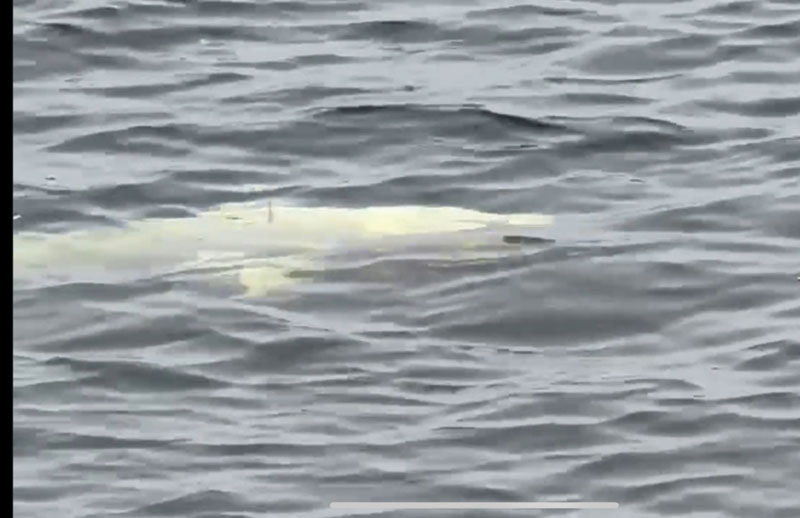
White is finding cobia for his anglers while patrolling the Gulf beaches and, in many instances, he’s seeing them skimming the surface — alone and in pairs. Casting jigs or live baits can result in a hookup.
Lastly, targeting black tip sharks is entertaining clients who came to Anna Maria Island to pull on a big fish.
Capt. Johnny Mattay is targeting red grouper while working in depths of 100 feet or more in the Gulf of Mexico. He says a variety of baits — both live and frozen — work well when combined with a bottom rig.
Fishing hard bottom areas is yielding limits of large grouper for his anglers.
Mangrove snapper and yellowtail snapper also are being caught at these depths by Mattay’s charter clients. Chumming the fish higher in the water column and free-lining small chunks of bait to them is leading to limits of fish in the box.
Moving inshore, Mattay is putting his anglers on numerous snook along the beaches and in the backcountry. Redfish are being caught frequently, especially around deepwater docks. To round out the bite, spotted seatrout are being caught over deep grass flats in Tampa Bay.
Send high-resolution photos and fishing reports to fish@islander.org.