





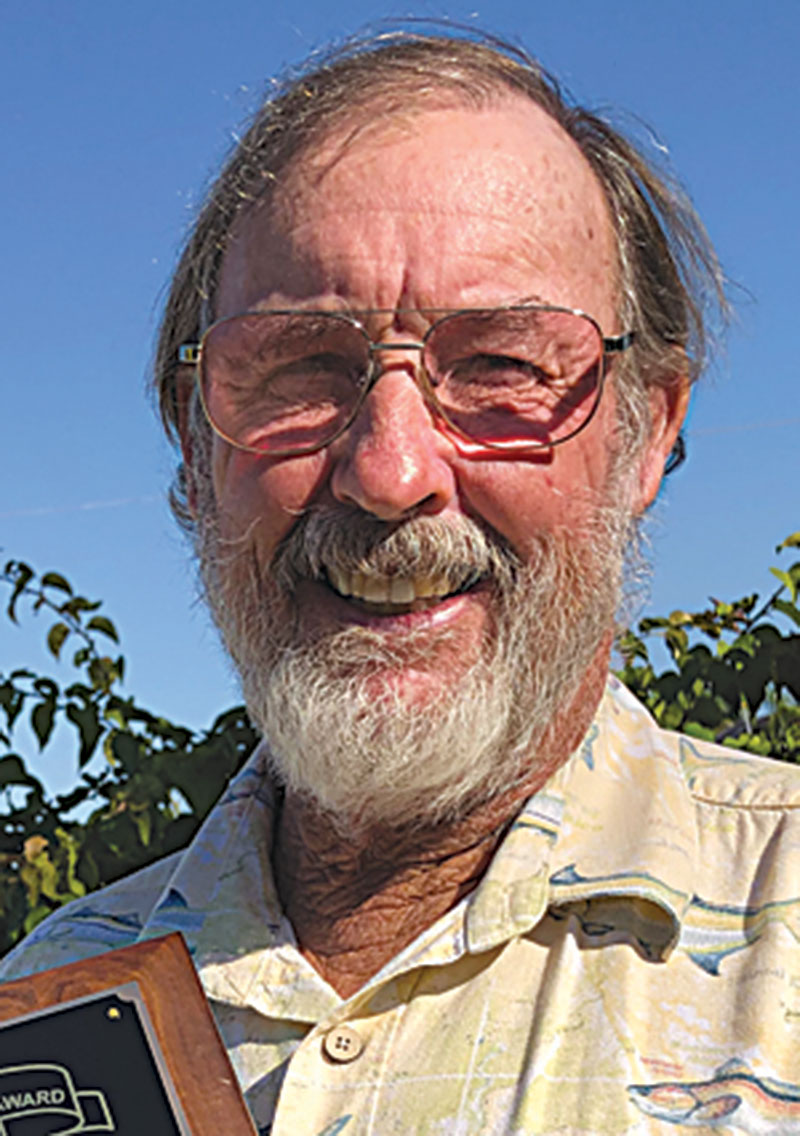
A longtime fishing guide known for his focus on conservation and environmental stewardship began noticing a change on the flats of Anna Maria Sound months ago.
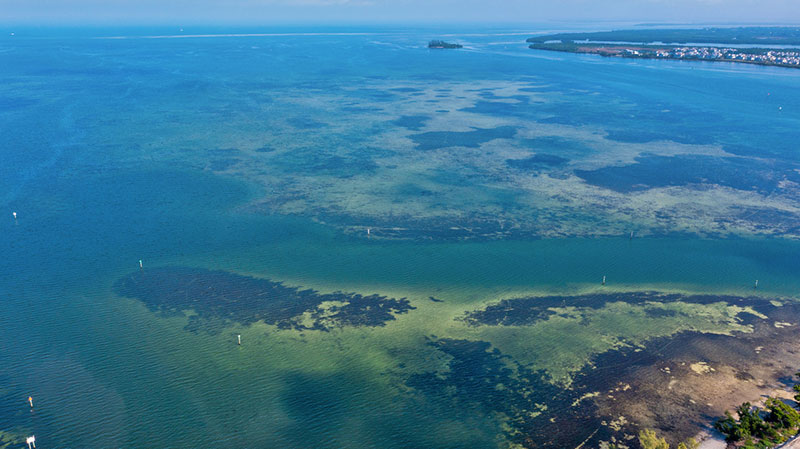
Seagrass that had covered the bottom was giving way to white sand, charter captain Scott Moore observed.
“When the water gets clear in the winter, you can really see it,” Moore said in a Dec. 16 interview with The Islander. “When you look out there (from Kingfish Boat Ramp), it’s just white sand. And that was just covered with grass.”
Moore said the loss became most apparent as cooler weather improved water clarity, though he believes the decline began earlier in 2025.
Anna Maria Sound supports multiple species of seagrass, including turtle, shoal and manatee grass. The underwater meadows stabilize sediments, improve water clarity and serve as a nursery for fish, crabs and shrimp. Seagrass also is a primary food source for manatees and provides foraging habitat for sea turtles, particularly greens.
Because seagrass depends on clear, low-nutrient water, scientists consider its abundance a key indicator of estuarine health.
After noticing the change and hearing similar concerns from other guides, Moore alerted the Florida Fish and Wildlife Conservation Commission and Suncoast Waterkeeper, providing locations and details.
According to a December Suncoast Waterkeeper newsletter, the organization responded by conducting targeted on-water surveys to document conditions in the sound and coordinating with regional partners, including the Tampa Bay and Sarasota Bay estuary programs. The examiners documented multiple areas of reduced seagrass and widespread macroalgae along the grass flats of the sound. Their investigation is ongoing.
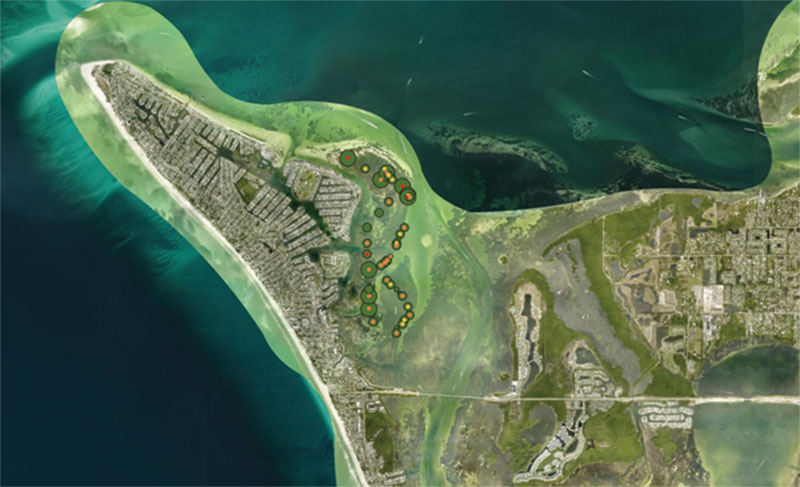
SBEP’s monitoring area extends just south of the Anna Maria Island Bridge, including Palma Sola Bay south through Sarasota Bay to Blackburn Bay, while waters north of the bridge, including Anna Maria Sound, are under the Tampa Bay Estuary Program’s purview.
TBEP, as of Islander press time, had not responded to The Islander’s inquiries.
SBEP executive director Ryan Gandy said the reports are concerning but cautioned that identifying a cause requires time and long-term data.
He said excess nutrients can fuel algae growth, including macroalgae, which can reduce sunlight reaching the bay bottom and stress seagrass. Macroalgae also can store nutrients and release them over time, prolonging impacts even after runoff subsides.
“After the storms of 2024, we did see elevated macroalgae in parts of the region,” Gandy said. “Heavy rainfall and runoff can deliver a lot of nutrients into these systems.”
Additional insight is expected from biennial aerial seagrass mapping conducted by the Southwest Florida Water Management District, which surveys coastal waters from Crystal River to Charlotte Harbor during winter clear-water conditions. Flights are expected this winter, with results typically released next year after field verification.
Moore, who settled in Holmes Beach in 1979, has fished the waters around Anna Maria Island for more than 50 years and has a boat ramp at Coquina Bayside named for him because of his longtime connection to the area’s waters.
“Observations from people who spend years on the water often provide the first indication that something has changed,” Gandy said. “That early awareness gives us the best chance to understand what’s happening.”