






A sharp rise in fuel prices is cutting into Cortez fishers’ earnings and is beginning to ripple through seafood markets and restaurant menus.
Fuel prices have risen with the United States war against Iran. Fears of supply disruptions have pushed crude oil prices higher, affecting diesel for fishing fleets and also gasoline, air travel, shipping costs and everyday consumer goods.
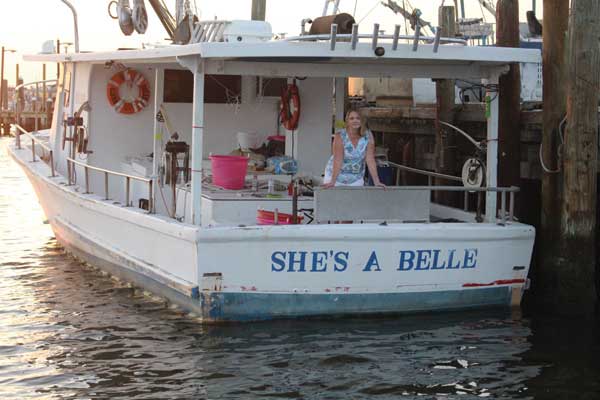
Karen Bell, who operates AP Bell Fish Co., a Cortez-based wholesale seafood business, as well as the Star Fish Co. and Tide Tables restaurants, said diesel prices for her fleet surged in recent weeks, increasing by more than $1 per gallon between deliveries.
“We were paying around $3.25, $3.29,” Bell said. “Now it’s up around $4.75. That’s a huge jump in a very short amount of time.”
Fuel is one of the largest expenses for offshore fishing vessels, many of which burn hundreds or even thousands of gallons per trip. Bell said her operation purchases 7,000-7,500 gallons of diesel to supply its fleet every 10-14 days.
For some boats, especially those targeting distant species like swordfish, the cost is even steeper.
“He needs 3,000 gallons,” Bell said of one captain preparing for a trip. “That’s a lot more at nearly $5 than it was just weeks ago.”
The cost increases are hitting captains and crews directly. Under the common-share system used in commercial fishing, crews receive a percentage of the catch’s value after expenses, including fuel, are deducted. As fuel costs rise, take-home pay shrinks.
“When they come back, those expenses are deducted from their share,” Bell said. “So higher fuel costs mean less money in their pockets.”
Bell said her business covers part of the fuel costs for its fleet, but the burden still falls heavily on crews.
Bell said rising costs are starting to move through the supply chain, with wholesale buyers and restaurants likely to see increases first, followed by retail customers.
“If I move the price up a quarter per pound at the dock, that can turn into about 50 cents a pound by the time it’s filleted and sold,” she said.
Restaurants may delay price changes due to menu printing costs and existing margins, but Bell said increases are likely if fuel costs remain high.
“At some point, menus will be updated,” she said. “Labor’s already higher than it’s ever been, and now fuel’s going up too.”
For consumers, the impact may initially appear modest, measured in cents per pound, but Bell warned that continued increases could compound.
Compounding the issue is a limited supply of certain fish, particularly grouper, one of the region’s most sought-after species.
“I don’t have enough grouper,” Bell said. “They’re just not biting like they normally do.”
She said fishermen are also dealing with predation, where sharks and dolphins steal fish from lines, further reducing catch totals.
Rising fuel costs and thinner catches of high-demand species like grouper are tightening pressure on both ends of the industry.
“It’s high season and demand is strong,” Bell said. “But supply is tight, and expenses are up.”
Bell said the fuel spike is part of a larger trend affecting businesses and households alike.
“I’m sure the public’s starting to feel it, from gasoline to groceries,” she said. “It just tightens everything up.”
“This eventually hits everybody,” Bell said.